

 Facebook
 X
 Pinterest
 Copy Link
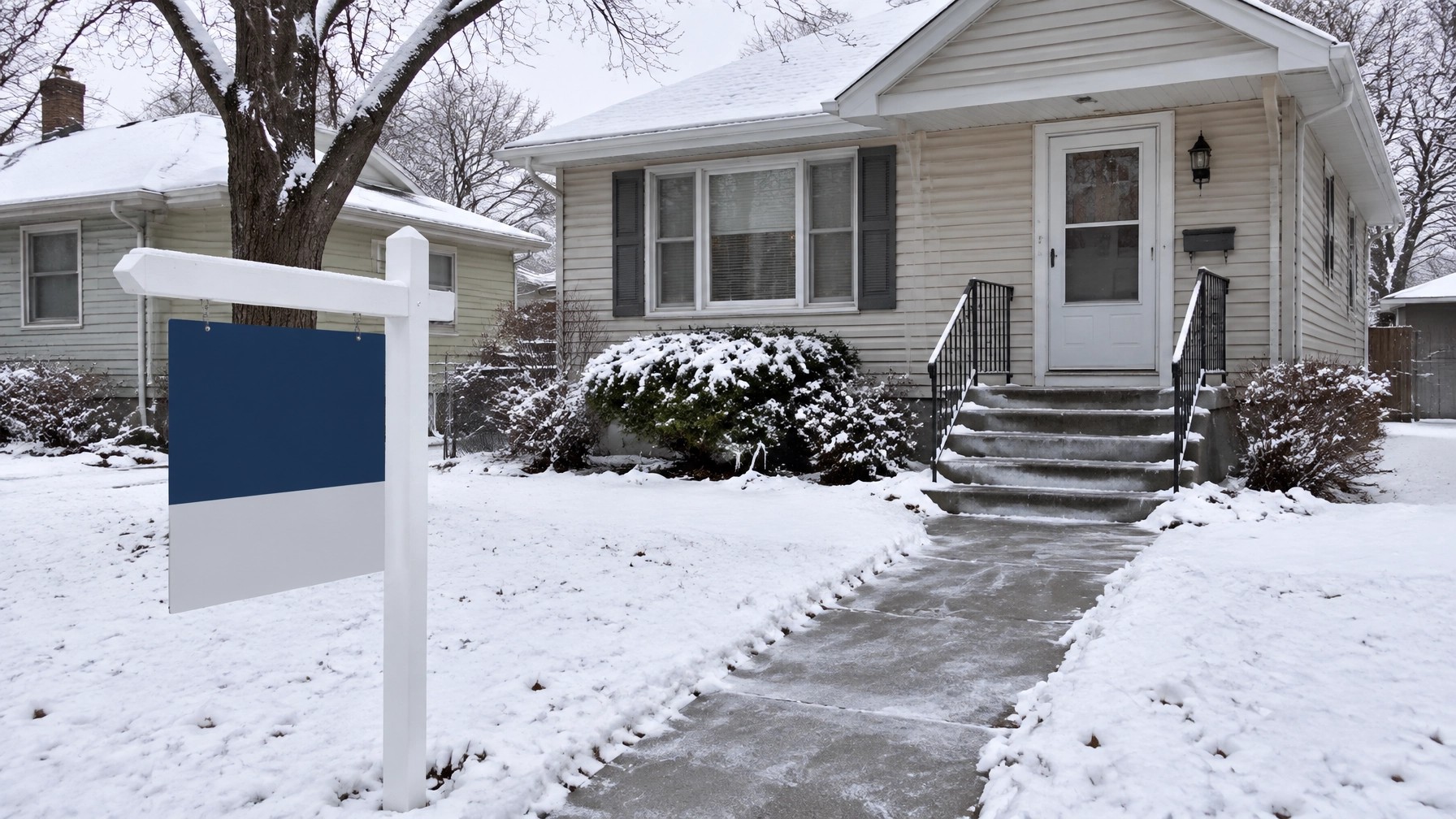
What Happens When a Winterized Home Goes Under Contract?

A winterized home is protected, but it is not functional. When it goes under contract, the water, heat, and power have to come back on before the next steps can be completed safely.
What happens when a winterized home goes under contract? The home must be professionally reactivated before it can be fully inspected, appraised, or prepared for closing. That usually means restoring water service, checking for leaks, restarting heating systems, confirming electrical service, and allowing time to discover problems that were hidden while the plumbing was drained.
A winterized house may be in good condition. It simply is not ready to operate like an occupied home.
> “Winterization protects a property during an empty season. Reactivation is the careful process of bringing that property back into service.”
What does a winterized home need before inspection or appraisal?
A winterized home needs working water, heat, and power before most inspections and appraisals can be completed properly. If utilities remain off, the inspector may be unable to test plumbing, heating equipment, appliances, or electrical systems, and the lender may need the appraisal revisited.
This is the central distinction:
- Winterized means protected from freezing.
- Functional means systems can be safely operated and evaluated.
Most lenders need an appraisal as part of the buyer’s financing process. An appraiser also needs reasonable access to the home and enough working systems to observe its condition.
The written purchase agreement controls the specific obligations of the parties. Sellers should review those terms with their REALTOR®, lender, attorney, and appropriate contractors.
Why does this catch sellers and estate executors off guard?
Many owners winterize an empty house in September or October because continuing to heat and power it through the winter does not fit their situation. When a buyer appears in January, the decision that reduced monthly carrying costs becomes a reactivation and scheduling issue.
That does not mean winterization was wrong.
For an out-of-state owner, executor, or family handling a home in Omaha, Bellevue, Papillion, or La Vista from a distance, the real comparison is:
- Keep paying to operate an empty property.
- Or reduce the monthly cost and plan for reactivation later.
The second option defers some expense rather than eliminating it. The reactivation cost arrives under the contract schedule, when the seller has less control over inspection and appraisal dates.
Who do you call first to reactivate a winterized home?
The plumber is usually the first call, not the utility company. A qualified plumber should be involved before water is restored so someone is physically inside the home watching for leaks, checking exposed fittings, and managing pressure rather than turning water on remotely and leaving.
A practical sequence generally looks like this:
- Have a plumber inspect the winterization condition.
- Restore water gradually and pressure-check the system.
- Watch the home while water enters the lines.
- Allow cold pipes and lines to warm gradually.
- Fill and purge air from the water heater before the unit is energized.
- Restart gas-fired equipment or restore electrical service through the appropriate professionals.
- Document what was checked and what was found.
“Purged of air” is the important phrase for the water heater. It should be filled and purged of air before the unit is energized, whether the unit uses electricity or a gas ignition system.
If the home was fully drained, this is not a do-it-yourself morning. Ask the plumber to leave written notes describing the work, observations, pressure testing, and any recommended follow-up.

How long should you wait before scheduling the inspection?
A practical watch window is often twenty-four to forty-eight hours after the plumbing has been restored and placed under pressure. This gives the seller and plumber an opportunity to identify leaks before the buyer’s inspector arrives.
A pipe can split during a freeze but remain unnoticed while the system is drained. Once water returns, a damaged fitting or low plumbing run may begin to leak.
Nebraska’s freeze-thaw cycles make this especially important. A pipe that appeared fine in December may fail during a February thaw, and a house drained in the fall can still contain trapped water in a low section of line.
If the seller’s plumber finds the leak first, it is usually a repair to evaluate and address. If the buyer’s inspector discovers it, the same problem may become part of a repair negotiation.
Should you book the inspection before or after reactivating the water?
The inspection should generally be scheduled after water, heat, and power have been restored and the home has had time to be watched for leaks. Reactivation may take several days, particularly when the owner is away and a contractor must be present.
Build the sequence around the inspection and appraisal rather than trying to complete reactivation the week of either appointment.
Consider the following planning points:
- Utility restoration may require an appointment.
- The plumber may need access more than once.
- Heating equipment may need professional attention.
- A leak may require repair before inspection.
- The appraiser needs safe access and working utilities.
- The buyer may have inspection-related dates in the purchase agreement.
A calendar with room for observation and repair is more useful than a tightly compressed schedule.

Do you need to tell your insurance agent when the home is reactivated?
Yes, notify your insurance agent when the home is no longer vacant or has returned to regular service. The occupancy and utility status may be relevant to the questions your agent asks about the property and its risk profile.
Do not assume that restoring utilities automatically changes coverage. Instead, ask your own insurance agent:
- How should the property’s occupancy status be reported?
- Does the agent need the winterization or reactivation documentation?
- Are there specific maintenance or inspection expectations?
- What should happen if the sale does not close?
Insurance terms depend on the policy and circumstances. Your agent is the right person to answer coverage questions.
Who is responsible for snow and ice removal during the listing?
During the listing period, snow and ice removal is the seller’s responsibility. The seller must arrange for it directly or arrange for it through the listing agent, depending on the agreement in place.
This is an ongoing responsibility for as long as the home is on the market, not a one-time task.
The reasons are straightforward:
- Buyers need safe access for showings.
- Inspectors need to reach entrances, mechanical areas, and exterior systems.
- Appraisers need to safely access the property.
- Ice on a walk or step creates a slip risk for anyone entering.
- A property that cannot be accessed safely may not be shown or appraised.
This matters most when the seller lives outside Omaha, Sarpy County, or Nebraska. A listing agent may be able to coordinate snow and ice removal on the seller’s behalf, but the seller should confirm that arrangement clearly.

Is it cheaper to keep the heat on or winterize the house?
Neither option is automatically better. Keeping heat and power on creates ongoing carrying costs, while full winterization reduces those monthly expenses but creates reactivation cost, scheduling risk, and time pressure when a buyer is found.
The money may be spent either way. The difference is when it is spent and whether the work happens during a calm planning period or while inspections and appraisals are being coordinated.
For some estate executors, full winterization is sensible. For another owner, maintaining low heat with regular checks may provide better control. A local caretaker can be a middle path.
What if the sale falls through after the home is reactivated?
If the transaction ends before closing, the home may need to be winterized again, depending on the season, occupancy plan, and advice from qualified professionals. Keep the plumber’s notes, invoices, pressure-check information, and original winterization record either way.
Those records can help explain:
- When the utilities were restored.
- What the plumber observed.
- Whether leaks were found.
- What repairs were completed.
- When the home was returned to winterized condition.
If another buyer comes along, this documentation gives the next set of professionals a clearer starting point. It also helps the executor, family, or owner avoid relying on memory.
Who needs a reactivation plan the most?
Out-of-state owners, estate executors, and military families who have already PCS’d away from Offutt Air Force Base often carry the most responsibility from the greatest distance. The same is true for families managing homes in Millard, West Omaha, Elkhorn, Bellevue, or Sarpy County while living elsewhere.
The common issue is not a lack of care. It is that no one responsible for the property is nearby to respond spontaneously.
A written plan should identify:
- The plumber who will handle reactivation.
- The person who will be physically present.
- The utility contacts and appointment requirements.
- The insurance agent to notify.
- The person responsible for snow and ice removal.
- The inspection and appraisal windows.
- The location of winterization records and keys.
My background in funeral service taught me the value of being a steady hand when a family has a great deal to manage at once. As a REALTOR®/Auctioneer, I bring that same calm, organized approach to estate sales, senior transitions, divorce-related property sales, and military relocations.
Download my Omaha Family Transition Home Sale Checklist
If you are preparing to sell a home during a major life transition, download my Omaha Family Transition Home Sale Checklist. It is designed to help families, sellers, and decision-makers organize the practical steps before and during a sale.
If the property is part of an estate or probate situation, my Omaha Estate & Probate Home Sale Guide covers the legal coordination questions to discuss with your attorney.
Curious what your home is worth? Use my Home Bot here for a starting point.
Author
David Greiner, REALTOR®/Auctioneer
Better Homes & Gardens Real Estate | The Good Life Group
Five consecutive years of the Nebraska REALTORS® Association Mark of Excellence as of 2026
DavidSellsOmaha.com
308-660-6472
What should the LinkedIn preview say?
A winterized home is protected, but it is not functional. When it goes under contract, the water, heat, and power must be restored carefully before inspection and appraisal. Planning the plumber, watch window, snow removal, and utility schedule can reduce pressure for sellers, estate executors, and owners managing an Omaha property from a distance.
David Greiner, REALTOR®/Auctioneer
Better Homes & Gardens Real Estate | The Good Life Group
Five consecutive years of the Nebraska REALTORS® Association Mark of Excellence as of 2026
DavidSellsOmaha.com
308-660-6472


