

 Facebook
 X
 Pinterest
 Copy Link
How Do You Get an Omaha Home Ready to Show in Winter?

Winter buyers are not just comparing houses. They are estimating work and cost. Here is how Omaha sellers can present a home that answers those questions before anyone asks them.
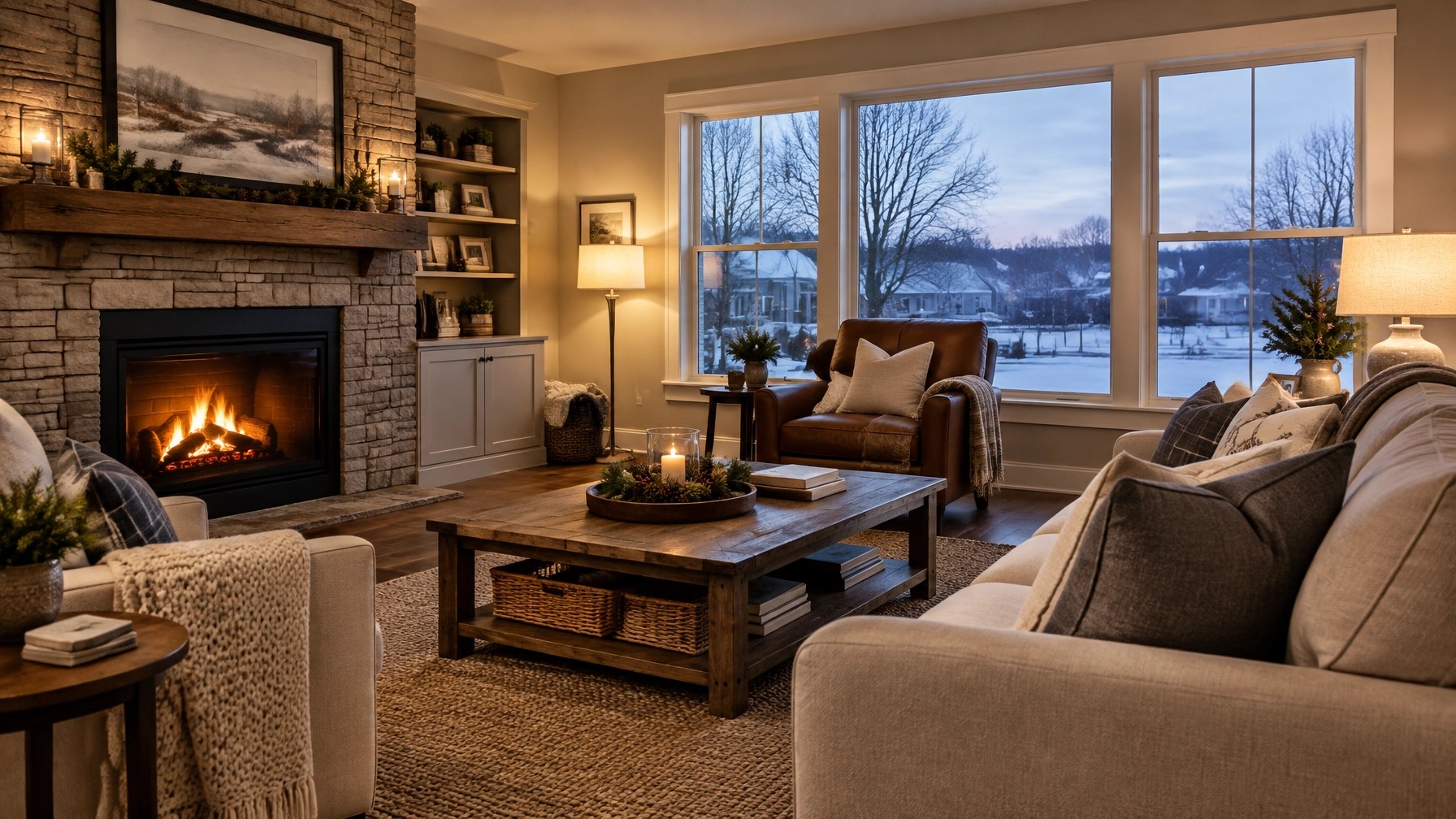
How do you get an Omaha home ready to show in winter? Make it warm, bright, dry, safe, and easy to enter. In Omaha, Bellevue, Papillion, La Vista, Sarpy County, Millard, West Omaha, and Elkhorn, thoughtful preparation helps buyers focus on the home instead of the season.
If a social post brought you here, use this article as the practical winter showing guide, then download David’s Seller Guide for a broader preparation plan.
> “A well-prepared winter showing does not need to feel staged. It needs to feel cared for, comfortable, and easy to understand.”
Does a cold, dark house hurt a winter showing?
A cold, dark, empty-feeling house can make a buyer notice risk before they notice the floor plan. In winter, buyers may be estimating future work, maintenance, and cost. If the home feels neglected, they may spend less time looking closely at the features you want them to see.
A warm, bright home does not guarantee an offer, but it can create a better setting for an honest evaluation.
Before a showing:
- Turn on every interior light, including closets and basement lights.
- Open blinds and curtains, even on gray days.
- Remove unnecessary furniture that makes rooms feel smaller.
- Make sure the entry, main living spaces, kitchen, and bathrooms feel easy to navigate.
- Address small visible repairs that become more noticeable in low winter light.
How should you light an Omaha home for a winter showing?
Winter light is one of the biggest fixable presentation issues. Use every available light source, choose bright bulbs with a warm, not yellow, tone, and add lamps where corners feel dim. Open window coverings during daylight, then turn on exterior and walkway lights for late-afternoon or evening arrivals.
For bulbs, pay attention to lumens rather than wattage alone. A 60-watt-equivalent LED is often a practical starting point for a table lamp, but always follow the fixture’s safety rating.
For color temperature:
- Warm white bulbs, around 2700K to 3000K, usually feel comfortable in living rooms and bedrooms.
- Cooler bulbs can make a space feel stark or blue in winter.
- Very yellow bulbs may make walls and finishes look dull.
Clean windows also matter. A bright gray sky can still add useful natural light if the glass is free of dust and fingerprints.

What temperature should a home be before a showing?
Set the thermostat to a comfortable temperature before the showing begins, often around 68 to 72 degrees depending on the home and the occupants. If a house feels cold immediately inside the door, buyers may move quickly, skip rooms, or focus on whether the heating system is working properly.
Warmth affects how carefully people look.
If buyers are comfortable, they are more likely to:
- Spend time in the basement or finished lower level.
- Notice storage, finishes, and room flow.
- Ask better questions about the home.
- Consider how the house functions for daily life.
If the furnace has not been serviced recently, schedule maintenance and replace the filter before listing when appropriate. Keep documentation available if work has been completed.

Should you shovel and salt the driveway before a showing?
Yes. Clear and salt the driveway, front walk, steps, and any path buyers may need to use. A slippery or unclearable route is more than a cosmetic concern; it can become a real barrier to entering the home safely, especially for older buyers or anyone arriving with children.
Before each winter showing:
- Shovel snow from the full walking route.
- Apply ice melt or salt where surfaces are slick.
- De-ice steps and handrails.
- Clear snow away from the front door.
- Check side and rear access if those areas are part of the showing.
- Turn on porch, garage, and walkway lighting after dark.
Keep the entry dry with sturdy mats inside and outside. Provide a clear place for boots and coats so winter gear does not collect in the first room buyers see.

How do you prevent winter smells and moisture from hurting a showing?
Find and correct the source of damp or musty odors instead of covering them with fragrance. Snowmelt, wet boots, a damp basement, a crawl space, or a wet-dog odor can make buyers wonder whether there is a larger moisture problem.
Check these areas before listing:
- Basement walls, floors, and stored items.
- Crawl-space access and ventilation.
- Areas around sump pumps and floor drains.
- Boot rooms, laundry rooms, and mudrooms.
- Rugs and mats that stay wet after snowy days.
- Bathrooms and kitchens where fans may not be working well.
Use airflow, dehumidification, and proper ventilation where needed. If you see water rings, active leaks, condensation, or repeated dampness, investigate the cause before showings. Fragrance may hide an odor briefly, but it does not resolve the concern.
What winter condition signals do buyers notice?
Buyers often read quiet maintenance signals in winter. A serviced furnace, clean gutters, a sound roof, dry ceilings, and the absence of ice dams can build confidence. If buyers see water rings, damaged shingles, heavy icicles, or neglected mechanical equipment, they may begin estimating repairs before they have finished touring.
Before the home is photographed or shown, review:
- Furnace service records and filter condition.
- Roof, flashing, and visible shingles.
- Gutters and downspouts.
- Attic ventilation if ice dams have been a past issue.
- Ceilings and upper walls for water stains.
- Basement walls and window wells.
- Exterior steps, railings, and siding.
These improvements are not about promising a problem-free home. They are about making the home’s condition easier to understand.
How do you photograph a home in winter?
Schedule photography during the brightest available part of the day, preferably midday or on a bright overcast day. Turn on all lights, open blinds and curtains, clean windows, and avoid photographing rooms when winter darkness makes them appear smaller or less welcoming.
Winter exterior photos can be an asset when they show the property clearly. A clean walkway, visible roofline, maintained landscaping, and fresh snow on the lawn can communicate care and seasonally accurate condition.
For listing photos:
- Turn on lamps before the photographer arrives.
- Replace burned-out bulbs.
- Remove holiday boxes, excess furniture, and personal piles.
- Photograph the entry, mechanical areas, and storage clearly when useful.
- Use exterior photos that show safe access rather than deep snow blocking the route.
- Consider whether older seasonal images still accurately represent the property.
Good photography should help buyers understand the home, not disguise the season.
How should you handle winter showing schedules and holiday clutter?
Winter has shorter daylight windows and more complicated schedules around Thanksgiving, Christmas, New Year’s, school breaks, and family travel. A flexible showing window can help, especially when buyers are available only during limited daytime or early evening hours.
If you are comfortable doing so, discuss showing availability clearly with your REALTOR®. Then keep the home ready with a simple routine.
During the holidays:
- Keep décor away from windows, stairways, and major sightlines.
- Store gift boxes, wrapping supplies, and extra packages before showings.
- Avoid oversized decorations that make rooms feel crowded.
- Keep walkways and entrances clear of cords and seasonal items.
- Place gifts and personal paperwork out of sight.
- Use simple décor that supports the room instead of dominating it.
A home that is warm, bright, and easy to walk through may stand out among listings that are harder to access or understand. That is a presentation benefit, not a promise about timing or outcome.
What should be on a winter showing-readiness checklist?
A winter showing checklist should cover comfort, safety, light, moisture, and access. Complete it before the first appointment, then repeat the quick version before each showing. If weather changes during the day, exterior safety and entry conditions deserve another look.
Quick winter checklist:
- Set the thermostat to a comfortable temperature.
- Turn on all interior lights and lamps.
- Open blinds and curtains.
- Confirm warm, bright bulbs are working.
- Turn on porch, garage, and walkway lights.
- Shovel and salt the driveway, walk, and steps.
- Place dry mats at the entry.
- Create a clear place for boots and coats.
- Remove wet rugs and address damp odors.
- Check basements and crawl spaces for moisture.
- Keep gifts, boxes, and extra décor stored.
- Confirm buyers can reach mechanical areas safely.
What should Omaha sellers ask before a winter showing?
Omaha sellers should ask whether the home feels safe to enter, comfortable to stay in, bright enough to evaluate, and free from unexplained moisture or odors. They should also ask whether holiday décor, winter gear, or limited showing availability is making the home harder to understand.
Should I keep selling plans quiet until spring?
Not necessarily. If you are considering a winter or spring sale, preparation can begin well before you choose a listing date. A conversation with a REALTOR® can help you separate necessary repairs from optional improvements without creating pressure to move before you are ready.
What if the home belongs to an estate or a parent moving to assisted living?
The same presentation principles apply, but the process may also involve emotional decisions, multiple family members, and a more careful timeline. David’s background in funeral service gives him a steady hand when families are handling an estate, downsizing, or another major transition.
Curious what your home is worth?
For a preliminary estimate, you can use Home Bot. It is one starting point for understanding value; a thoughtful pricing conversation should also consider condition, location, recent comparable sales, and the home’s specific circumstances.
For a broader seller preparation plan, download David’s Seller Guide. You can also review the Omaha Family Transition Home Sale Checklist if the sale involves an estate, downsizing, divorce, or another family transition.
David’s approach is built around clarity, professionalism, and thoughtful guidance. He has received the Nebraska REALTORS® Association Mark of Excellence for five consecutive years as of 2026.
David Greiner, REALTOR®/Auctioneer
Better Homes & Gardens Real Estate | The Good Life Group
Five consecutive years of the Nebraska REALTORS® Association Mark of Excellence as of 2026
DavidSellsOmaha.com
308-660-6472


