

 Facebook
 X
X
 Pinterest
 Copy Link
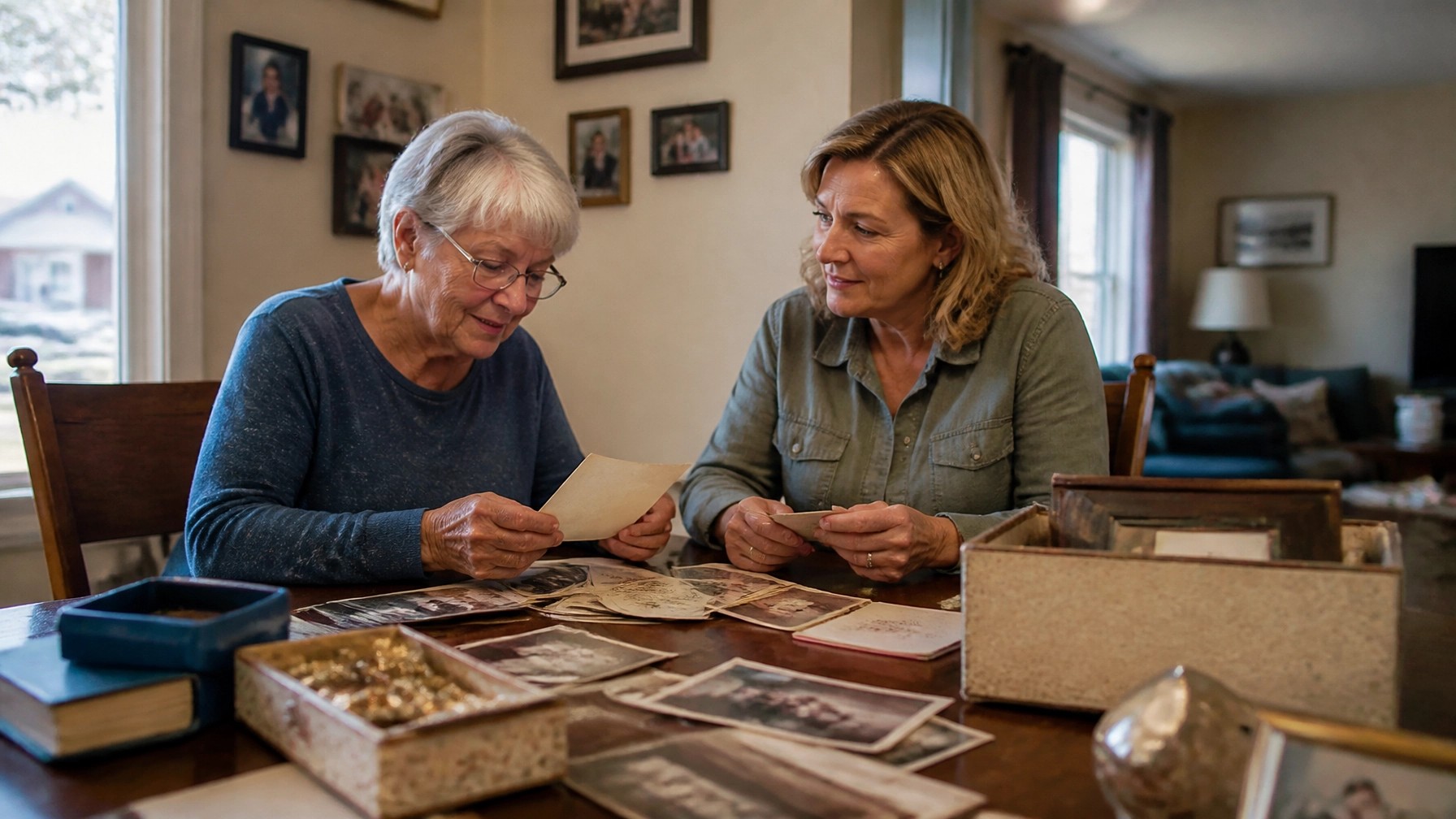
The Senior Downsizing Timeline: 5 Steps to Declutter, List, and Move Without Burnout

Senior downsizing is rarely just a moving project. It may involve decades of memories, family decisions, an assisted living transition, and the sale of a long-time home.
The right timeline depends on health, family availability, the condition of the property, and the preferred move-in date. Some families need six to twelve months. Others have only a few weeks. Either way, a clear sequence can reduce confusion and help everyone move at a manageable pace.
> “A thoughtful transition does not require rushing every decision. It requires knowing what needs attention first, who should help, and what can wait.”
What is a realistic senior downsizing timeline in Omaha?
A realistic senior downsizing timeline is usually two to six months, although starting six to twelve months ahead provides more flexibility. The process generally moves through five stages: planning, sorting, coordinating help, preparing and listing the home, then completing the move. Every family’s pace will be different.
In Omaha, the timeline may also be shaped by the destination:
- An assisted living community in Papillion, Bellevue, La Vista, or Sarpy County may have specific move-in dates and room measurements.
- A smaller home or condominium in Millard, West Omaha, or Elkhorn may require different furniture and accessibility decisions.
- A move closer to family in South Omaha or another part of the metro may involve different transportation and support needs.
If the move is flexible, then starting early gives the family room to make careful decisions. If the move is connected to a health change, then the priority becomes safety, coordination, and reducing the number of decisions required at one time.
How should you plan before sorting belongings?
Before sorting belongings, identify the destination, target timing, decision-makers, and professionals who may need to be involved. Gather the new residence’s floor plan, clarify what furniture will fit, and make a written list of important documents, medical needs, family responsibilities, and property-related tasks.
Start with a simple family conversation:
- What is prompting the move?
- What does the older adult want to take?
- Who has authority to make decisions?
- Which family members can be present in person?
- What tasks need a professional?
- Is the home likely to be sold, rented, or retained temporarily?
Important professionals may include:
- An estate planning or elder law attorney
- A financial advisor or tax professional
- A senior move manager or organizer
- A moving company experienced with older adults
- An estate sale company or auctioneer
- A real estate professional familiar with senior transitions
David’s role is to provide real estate guidance, organize the home-sale process, and help coordinate appropriate resources. He does not replace legal, medical, financial, or care professionals.
What should you sort first in a senior downsizing project?
Begin with practical, low-emotion areas such as a linen closet, laundry room, guest room, garage, or utility space. Use a consistent system for every item: keep and move, family, sell, donate, or discard. Sorting one room at a time is usually more manageable than trying to address the entire home.
A helpful approach is to schedule short sessions rather than exhausting weekends:
- Work for 60 to 90 minutes.
- Take a break before fatigue sets in.
- Keep donation and discard boxes clearly separated.
- Photograph valuable or sentimental items before moving them.
- Set a specific date for family members to claim belongings.
- Remove completed categories from the room before starting another.
Avoid forcing decisions when emotions are high. If an item represents a spouse, parent, career, or important family period, then the family may need time to talk about its meaning before deciding what happens to it.

How can families make decisions without creating conflict?
Families can reduce conflict by keeping the older adult’s preferences at the center, assigning responsibilities clearly, and separating sentimental decisions from real estate decisions. If family members disagree, then pause the conversation and involve the appropriate attorney, fiduciary, or care professional rather than asking the REALTOR® to resolve a legal or family dispute.
A few practices can help:
- Let the senior lead whenever possible.
- Ask before removing or giving away belongings.
- Create a family claim deadline for furniture and heirlooms.
- Use photographs or a shared list so everyone understands what has been chosen.
- Avoid promising items to multiple family members.
- Put important agreements in writing.
Adult children often live outside Omaha or have demanding work and family schedules. If siblings are spread across the country, then a shared inventory and regular video calls can help everyone participate without requiring every person to be present for every decision.
When should you measure furniture and select what will move?
Measure furniture after the destination is known and before packing begins. Obtain the new residence’s floor plan, confirm door and hallway dimensions, and compare those measurements with beds, recliners, dressers, tables, and other large pieces. If an item will not fit safely, decide before paying to move it.
Pay special attention to:
- Bedroom and bathroom access
- Walkway clearance
- Door swings
- Elevator or stair dimensions
- Storage availability
- Window placement
- Heating and cooling vents
- Mobility equipment
A familiar chair, lamp, photograph, or small table may provide meaningful comfort in a new setting. The goal is not to remove every reminder of home. The goal is to create a safe, functional space with the possessions that matter most.

How do you prepare the Omaha home for sale?
Prepare the home for sale only after personal belongings have been sorted enough to make the property safe, accessible, and understandable to buyers. A REALTOR® can help prioritize repairs, cleaning, staging, and timing. If the home needs substantial work, then an honest market analysis can help determine which improvements are worthwhile.
Typical preparation may include:
- Addressing safety issues such as loose railings or trip hazards
- Completing necessary repairs
- Removing excess furniture
- Organizing storage areas
- Cleaning kitchens, bathrooms, and windows
- Improving exterior appearance
- Protecting confidential documents and medications
- Planning photography and showings around the senior’s needs
The home does not need to be stripped of its history. It should be presented clearly and respectfully so buyers can understand the property’s condition, layout, and potential.
David’s experience as both a REALTOR® and Auctioneer can be useful when a family is evaluating personal property. Some belongings may be better suited for family distribution, donation, an estate sale, or auction rather than being included in the home sale.
When should you list the home during a senior move?
The home should generally be listed after the family has a plan for the senior’s housing, essential belongings, and daily care needs: but the property does not always need to wait until every box is gone. Early coordination with a REALTOR® can help the family understand market timing and avoid unnecessary last-minute work.
Listing decisions may depend on:
- The assisted living or new-home move-in date
- Whether the home will be vacant
- The amount of preparation required
- Whether repairs require available funds
- The family’s ability to manage showings
- The preferred closing timeline
- Whether an estate, trust, or court process is involved
If the property is part of an estate, then confirm who has authority to sign and whether an attorney or personal representative must approve the sale. If the senior still lives in the home, then showings should be scheduled with privacy, comfort, and safety in mind.
What should you pack for moving day?
Pack essential medications, documents, clothing, toiletries, bedding, chargers, and familiar comfort items separately from the main household boxes. These items should travel with the senior or a trusted family member, not inside the moving truck. Label the first-day boxes clearly so the bedroom and bathroom can be set up first.
A first-day bag or box may include:
- Medications and an updated medication list
- Identification, insurance cards, and key documents
- Toiletries and a change of clothing
- Bedding, pillows, and towels
- Phone, charger, and contact list
- Eyeglasses, hearing aids, and mobility equipment
- Favorite photographs or a familiar small item
- Easy snacks and water, if appropriate
Assign one person to meet the movers at the new residence and another to complete the final walkthrough of the old home. This division of responsibilities prevents one person from trying to manage every detail.
How can David help with a senior downsizing transition?
David helps seniors and adult children create a clear real estate plan while coordinating with the other professionals involved. His 40-year funeral service background gives him the experience to be a steady hand when families are making emotional decisions, facing loss, or managing a major change in living arrangements.
David can assist with:
- Evaluating the home’s likely sale strategy
- Creating a practical preparation timeline
- Coordinating repairs, cleaning, staging, and photography
- Explaining listing and closing steps
- Connecting families with appropriate local resources
- Considering whether an auction or traditional sale fits the situation
- Communicating consistently with family members and decision-makers
His work is centered on clarity, professionalism, discretion, and thoughtful guidance. The goal is not to push a family into a decision. It is to help them understand the options and take the next reasonable step.
> “During a major transition, families often do not need more pressure. They need someone who can bring order to the process and communicate clearly.”
What is the next step for a senior downsizing plan?
The next step is usually a quiet planning conversation, not a commitment to list immediately. Review the timeline, identify the first room or task, and determine which professionals should be contacted. Then move forward one decision at a time, allowing the plan to adjust as circumstances change.
Download my free Senior Downsizing Guide from David’s website, or request it by DM. The guide is designed to help Omaha-area families begin the conversation with more structure and less overwhelm.
If you are curious what your home is worth, you can also use my home value tool. And if you would prefer to talk through your situation first, you can contact me directly for a no-pressure conversation.
Whether you are planning a move in Bellevue, Papillion, La Vista, Sarpy County, South Omaha, Millard, West Omaha, or Elkhorn, you do not have to solve every part of the transition at once. Start where you are, use the right help, and give the process the time it deserves.


