

 Facebook
 X
X
 Pinterest
 Copy Link
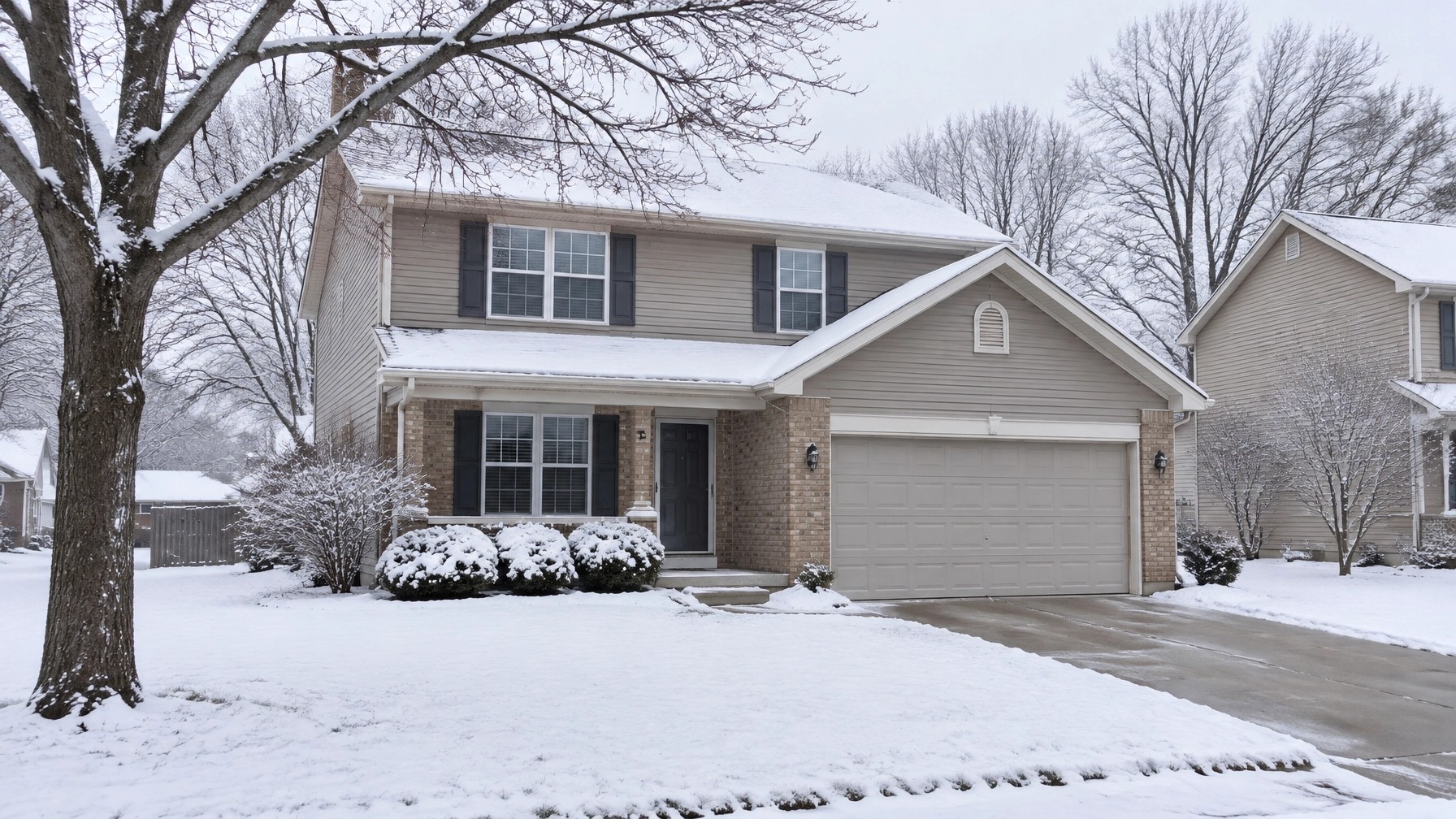
What Do You Do With a Vacant Omaha Home in Winter?

An empty house in an Omaha winter is a risk, not a savings. Here is how families, executors, attorneys, financial advisors, and out-of-state owners can protect the asset while they decide the timeline.
What do you do with a vacant Omaha house in winter? Protect it as an active responsibility, not as a property that can simply be left alone. Keep the home safely heated or have the plumbing professionally shut off and drained, arrange regular inspections, maintain the exterior, and confirm your insurance requirements before the house sits empty.
A vacant home may be part of an estate, waiting for a buyer after a family relocation, or held during a difficult transition. In Omaha, Bellevue, Papillion, La Vista, Sarpy County, Millard, West Omaha, and Elkhorn, winter weather can turn a small maintenance issue into significant property damage when nobody is there to notice it.
Should you turn the heat off in an empty house?
You generally should not turn the heat off if water remains in the plumbing. Keep the thermostat at a low, steady setting, often around 55°F, or the minimum required by your insurer or heating professional. If the home must stay cold, shut off and drain the water system properly instead.
A cold, unheated home is the highest-risk version of a winter property because:
- Pipes may freeze inside exterior walls, basements, crawl spaces, and garages.
- A burst pipe can release water for days before anyone discovers it.
- A small roof leak can become interior ceiling, wall, and flooring damage.
- A furnace failure may go unnoticed during a hard freeze.
- A dark, cold home can also attract unwanted attention.
If water remains on, open cabinet doors beneath sinks so warmer air can circulate around supply lines. During severe cold, a slow faucet drip may help protect vulnerable plumbing, but it is not a substitute for heat, inspection, or proper winterization.

When should you shut off and drain the water?
If a property will remain empty for an extended period and regular monitoring is difficult, shutting off and draining the water is often the strongest protection against frozen pipes. Have a qualified plumber complete the process, especially if the home has a boiler, fire sprinkler system, well, or other specialized equipment.
A professional winterization may include:
- Closing the main water valve.
- Draining hot and cold supply lines.
- Emptying the water heater as appropriate.
- Flushing toilets and addressing residual water in traps.
- Protecting drains and fixtures with approved, non-toxic plumbing antifreeze when recommended.
- Leaving faucets in the proper position after draining.
- Confirming that heating equipment can operate safely after the water is shut off.
Do not assume every system should be drained in the same way. A hydronic heating system, for example, may depend on water to operate. Ask a plumber and your insurance agent what method fits the property.
How often should someone check an empty house?
Someone should walk through a vacant house regularly throughout winter, with weekly checks being a practical minimum for many properties. The person should inspect the interior and exterior, confirm the temperature, look for leaks or damage, and document concerns before they become larger problems.
A local point of contact matters most when:
- The owner lives outside Omaha or outside Nebraska.
- An executor is managing an inherited property from another state.
- A military family has already moved away from Offutt AFB.
- Several family members assume someone else is checking the home.
- Snow, ice, or a furnace problem could prevent a normal showing.
The person checking the home should know where the main water shutoff, furnace, electrical panel, and exterior hose connections are located. A lockbox, written instructions, and emergency contact list can reduce confusion.
Take dated photos during inspections. Photograph the thermostat, utility areas, ceilings below plumbing, basement, exterior doors, roofline when visible, and cleared walkways.

What exterior work should you complete before winter?
Before Omaha’s coldest weather arrives, disconnect garden hoses, shut off exterior spigots, arrange sprinkler blowout, clean gutters, and confirm that downspouts direct water away from the foundation. During winter, arrange snow removal from walks, steps, and driveways so the property remains safe and accessible for inspections and showings.
Exterior preparation should include:
- Removing leaves from gutters before they freeze in place.
- Checking roof edges, flashing, and visible shingles.
- Trimming branches that could fall during snow or ice.
- Confirming exterior lights work.
- Securing gates, sheds, and detached garages.
- Clearing snow from walkways after storms.
- Watching for ice buildup near downspouts and entrances.
A vacant home still needs to look cared for. That protects the asset and helps visitors, contractors, appraisers, and prospective buyers enter safely.
How can ice dams and roof problems damage the inside?
Ice dams form when melting snow refreezes near the roof edge and prevents water from draining normally. If water backs up under shingles or around flashing, it can enter ceilings, insulation, walls, and finished areas. On an unattended home, the first visible sign may be extensive interior damage.
Before winter, have a qualified professional evaluate roof concerns, attic ventilation, insulation, and gutter drainage if the property has a history of leaks or ice buildup.
During inspections, look for:
- Water stains on ceilings or upper walls.
- Damp insulation or musty odors.
- Peeling paint or bubbling drywall.
- Sagging ceiling areas.
- Ice buildup along roof edges.
- Snow accumulation that appears unusually heavy or uneven.
A roof problem is not only an exterior maintenance issue. If it is not discovered promptly, it can affect the home’s condition, showing readiness, repair budget, and eventual sale timeline.
Does insurance cover a vacant home in winter?
Insurance coverage depends on the policy, the home’s vacancy status, and whether the owner followed required precautions. Vacancy exclusions commonly begin after around 30 days or more, but the timing and covered losses vary by policy. Ask your insurance agent what changes when the Omaha property is empty through winter.
Ask specific questions such as:
- How does the policy define “vacant” and “unoccupied”?
- Is there a vacancy exclusion after a set period?
- Does the policy require a minimum heat setting?
- Does it require the water to be shut off and drained?
- Are frozen pipes, water damage, theft, or vandalism limited?
- How often must someone inspect the property?
- Does the insurer want written inspection records or dated photographs?
- Is a vacant-home endorsement or different policy appropriate?
Fact-check note: Do not rely on a universal vacancy period. Many policies use a period commonly around 30 days or more, but your policy may differ. Confirm the requirements directly with your insurance agent before leaving the house empty.
Guidance from organizations such as Travelers and Chubb also emphasizes heat, water shutoff, inspections, and documentation. Those general recommendations do not replace your own policy language.
What are the alternatives to leaving a home completely unattended?
If selling immediately is not right for the family, consider a property manager, caretaker arrangement, or house-sitting agreement. Each option can reduce risk, but each also involves cost, clear responsibilities, and careful communication about access, repairs, utilities, and insurance.
A property manager may provide:
- Scheduled inspections.
- Contractor coordination.
- Snow and lawn service management.
- Emergency response.
- Utility and maintenance oversight.
A caretaker or house-sitter may offer:
- A lived-in appearance.
- Faster notice of leaks or furnace problems.
- Daily presence during severe weather.
- Help with mail, lights, and basic upkeep.
The trade-off is that these arrangements require screening, written agreements, and appropriate insurance notification. If someone is staying in the property, confirm how that affects your policy and responsibilities.
How should you prepare a vacant home for winter showings?
A vacant home shows better when it is safe, warm enough, clean, and visibly maintained. Set the thermostat to a reasonable temperature before a showing, turn on lights with timers, clear snow and ice from the entrance, and make sure buyers can move through the home without navigating dark or slippery areas.
Small details influence how people interpret an empty property:
- Use timers for lamps and exterior lights.
- Keep the entryway dry and free of clutter.
- Clear walks, steps, and the driveway.
- Confirm the furnace is operating before appointments.
- Address unusual odors quickly.
- Keep a simple property information sheet available.
- Ask the showing agent to verify doors and windows are secured afterward.
A cold, dark, poorly maintained house can make buyers focus on risk rather than the home’s possibilities. That does not mean you need to spend heavily on improvements. It means the property should appear responsibly cared for.

What changes for estate, probate, and military relocation homes?
Estate properties often involve executors who live far away, family members who are grieving, and ongoing costs for heat, insurance, taxes, repairs, and snow removal. Military families who have relocated from Offutt AFB may face the same challenge: the home is still on the market, but the owner is no longer nearby.
If the family continues holding the property through winter, compare:
- Monthly utilities and insurance.
- Inspection and snow removal costs.
- Property management or caretaker fees.
- Possible repairs from freezing or leaks.
- The condition needed for showings.
- The family’s emotional and practical capacity.
- The likely effect of delaying the sale.
Moving the sale forward and holding the property are both reasonable decisions. The right choice depends on the family’s timeline, financial position, property condition, and ability to manage the home locally.
My background in funeral service has taught me to be a steady hand when families are making important decisions during difficult seasons. As a REALTOR®/Auctioneer, I bring that same patience and professionalism to estate settlement, senior transitions, divorce-related sales, and military relocations.
Should you sell a vacant house before winter or hold it?
There is no single answer for every family. If the property is difficult to monitor, expensive to maintain, or ready for market, moving the sale forward may reduce ongoing risk. If the family needs time, a documented winter plan can protect the home while preserving flexibility.
For an estate or probate property, begin with a practical conversation:
- What does the insurance agent require?
- Who can inspect the home locally?
- What will winter utilities and maintenance cost?
- Is the home ready for showings?
- Are repairs needed before listing?
- What legal or family decisions must occur first?
- Would delaying the sale create more expense or stress?
David has received the Nebraska REALTORS® Association Mark of Excellence Award for five consecutive years, reflecting a consistent focus on thoughtful service and professional standards.
Download my Estate Guide for a clear starting point when an inherited property, probate process, or family decision is involved.
Curious what your home is worth? You can use the Home Bot valuation tool as an initial reference. It is not a substitute for an in-person market analysis, especially when condition, repairs, timing, and winter access affect a vacant property.
What questions do families ask about vacant Omaha homes in winter?
Families commonly ask whether to keep the furnace running, drain the plumbing, rely on a neighbor, or move the sale forward. The best answer depends on the home’s systems, insurance requirements, vacancy length, local support, and the family’s ability to respond when winter problems occur.
Can I leave the heat off if the water is shut off?
Possibly, but complete winterization should be handled by a qualified professional. Some heating systems or plumbing components require special care, and your insurance agent may have specific requirements.
Is a weekly check enough?
A weekly walk-through is a reasonable baseline for many homes, but severe weather, an older furnace, known roof issues, or insurance requirements may call for more frequent monitoring.
Should I let faucets drip all winter?
A slow drip may help during hard freezes when water remains in the system, but it uses water and does not replace steady heat, pipe protection, or proper inspection.
What if I live out of state?
Choose a reliable local contact, property manager, or caretaker who can access the home and coordinate emergency repairs. This is especially important for executors and families who have relocated from Omaha or Offutt AFB.
Can David help me decide whether to sell now?
Yes. David can help you compare the practical costs and responsibilities of holding a vacant home with the steps involved in preparing it for sale, without pressuring you into a timeline that does not fit your family.
David Greiner, REALTOR®/Auctioneer
Better Homes & Gardens Real Estate | The Good Life Group
Nebraska REALTORS® Association Mark of Excellence, five consecutive years (as of 2026)
DavidSellsOmaha.com
308-660-6472


