FAQs • Life Transitions Guides • Lifestyle • September 8, 2026

Looking For Senior Downsizing Help? Here Are 10 Things You Should Know About Omaha Senior Communities

Looking For Senior Downsizing Help? Here Are 10 Things You Should Know About Omaha Senior Communities

An older couple and their adult daughter touring a warm senior living apartment with a community advisor

Choosing senior living is not just a housing decision. It can involve health, finances, family relationships, transportation, treasured belongings, and the sale of a home filled with decades of memories.

For families in Omaha, Bellevue, Papillion, La Vista, Sarpy County, Millard, West Omaha, South Omaha, and Elkhorn, the process can feel like too much at once. The goal is not to make every decision in a single week. The goal is to create a clear plan, ask better questions, and protect the older adult’s dignity throughout the transition.

> “A thoughtful move is not about getting rid of a life. It is about making the next season safer, simpler, and more manageable.”

I bring more than real estate experience to these situations. Before becoming a REALTOR®, I spent 40 years in funeral service, where I learned how important a steady hand, clear communication, and respectful guidance can be during emotional transitions.

1. How do you determine the right level of senior living care?

The right setting depends on current health, daily support needs, safety, memory concerns, budget, and the likelihood that care needs may change. Independent living may fit someone who manages daily tasks alone, while assisted living, memory support, or skilled nursing may be more appropriate when regular care is required.

Understand the basic differences

  • Independent living is generally for adults who do not need help with bathing, dressing, medication administration, or other personal-care tasks.
  • Assisted living typically provides help with daily activities, meals, medication support, housekeeping, and additional supervision.
  • Memory support is designed for people living with Alzheimer’s disease or other forms of dementia.
  • Skilled nursing provides more intensive, round-the-clock medical care and rehabilitation.
  • Age-restricted apartments may provide accessible housing and social opportunities but usually do not include personal care.

If safety concerns, medication problems, falls, or memory changes are part of the conversation, involve a physician, geriatric professional, or qualified care advisor before making a housing decision.

Nebraska’s Department of Health and Human Services assisted living information explains that assisted living facilities are licensed settings providing shelter, food, and assistance with care activities.

An older woman, adult son, and advisor reviewing senior living options around a kitchen table

2. What should you know about senior living costs in Omaha?

Senior living costs vary significantly by apartment size, care level, services, entrance fees, and the resident’s changing needs. Families should compare the complete monthly cost: not just the advertised base rate: and should ask a financial professional how housing costs fit within the overall plan.

A January 2026 Nebraska Medicine senior housing guide shows how widely costs can vary across the Omaha area.

Ask what the monthly rate includes

Before comparing communities, request a written breakdown of:

  • Base rent or room-and-board charges
  • Meal plans
  • Medication management
  • Personal care or assistance with daily activities
  • Transportation
  • Housekeeping and laundry
  • Utilities, internet, and parking
  • Pet fees
  • Move-in or community fees
  • Respite or temporary-stay costs
  • Future care-level increases

Published rates are only starting points. If care needs increase, the monthly bill may change. If a couple is moving together, ask whether there is a second-person fee.

Also remember that Medicare generally does not pay for assisted living room and board. Long-term care insurance, Medicaid programs, Veterans benefits, personal assets, and other resources may affect the financial plan. Confirm eligibility and coverage with qualified financial, insurance, and benefits professionals.

3. How should you evaluate contracts and fee structures?

Every community uses its own agreement, and the details matter. Read the contract before paying a deposit, and ask specifically what happens if care needs change, the resident moves out, the community can no longer meet those needs, or the family needs to end the agreement.

Review these terms carefully

  • Is the arrangement a lease, service agreement, entrance-fee contract, or another structure?
  • Is an entry fee refundable, partially refundable, or nonrefundable?
  • What services are included in the base rate?
  • How are care levels assessed and reassessed?
  • How much notice is required before moving out?
  • What are the rules for transferring to memory support or skilled nursing?
  • Can the resident remain if finances change?
  • What happens after a hospitalization or rehabilitation stay?
  • Are annual increases described in the agreement?
  • Who is responsible for damages, moving costs, or apartment preparation?

In Nebraska, assisted living facilities operate under state licensing requirements, but that does not mean every contract is identical. A qualified elder-law attorney, financial planner, or senior-living advisor can help explain terms that are unclear or financially significant.

4. How important are location and transportation?

Location affects more than family convenience. It can influence how often loved ones visit, whether the resident can keep medical appointments, how easily they access familiar stores and churches, and whether the move feels connected to the life they already know.

Consider locations based on daily reality:

  • Bellevue and Papillion for proximity to family, Offutt-area connections, and Sarpy County services
  • La Vista for access to central Sarpy County and nearby Omaha amenities
  • Millard and West Omaha for medical offices, shopping, and established family networks
  • South Omaha for cultural, family, and community connections
  • Elkhorn for families living in western Douglas County
  • Other Omaha neighborhoods where the resident already has trusted relationships

If family members live across the metro, calculate realistic drive times during normal schedules. A location that looks convenient on a map may be difficult during rush hour or winter weather.

Ask whether transportation is scheduled, on demand, included, or billed separately. If the resident no longer drives, transportation can become one of the most important parts of the decision.

5. When should you begin planning a senior downsizing move?

Starting six to twelve months before the desired move gives the family time to compare options, join waitlists, sort belongings, and prepare the home without making every decision under pressure. If a health crisis has already occurred, focus first on safety and care while creating a shorter, realistic timeline.

A practical planning sequence

Six to twelve months ahead:

  • Discuss goals and preferred locations.
  • Talk with medical and financial professionals.
  • Tour several types of communities.
  • Measure the likely new apartment.
  • Begin with low-emotion belongings.

Three to six months ahead:

  • Narrow the housing choice.
  • Review contracts and budget.
  • Ask about availability and waitlists.
  • Decide what furniture can fit.
  • Identify items for family, donation, sale, or disposal.

One to two months ahead:

  • Confirm move-in requirements.
  • Schedule movers and service providers.
  • Pack nonessential items.
  • Prepare the home for a possible sale.
  • Create a calendar with responsibilities and deadlines.

If the move is caused by an urgent safety concern, do not wait for the home sale to be complete before arranging appropriate care.

6. What should you look for when touring senior communities?

A tour should help you understand how daily life actually works, not just show you the nicest room. Visit at different times when possible, observe how staff interact with residents, and ask direct questions about care, staffing, safety, and future transitions.

Bring a written tour checklist

Ask:

  • How are care needs assessed?
  • How many staff members are present overnight?
  • How are medications handled?
  • What happens after a fall or hospitalization?
  • Are meals flexible for dietary needs?
  • How are activities adapted for mobility or memory concerns?
  • Can residents bring furniture and pets?
  • Are there outdoor spaces and accessible walking routes?
  • How are complaints handled?
  • What are the move-out criteria?
  • Can you speak with current residents or family members?

Look beyond the model apartment. Notice odors, noise, cleanliness, lighting, call-button response, staff turnover, and whether residents appear engaged or isolated.

7. How do waitlists affect your senior living plan?

Waitlists can affect both the move date and the home-sale timeline. Popular apartment sizes, memory-support rooms, and income-based housing may not be available when a family first decides to move, so ask about availability before setting a firm closing or moving date.

Ask the community these questions

  • Is there a waitlist for the specific care level needed?
  • Is the list for a particular building, apartment type, or care category?
  • Is a deposit required to join?
  • Is that deposit refundable?
  • How often is the list updated?
  • Can the resident move to another care level later?
  • What happens if health changes while waiting?
  • Are temporary respite options available?

For affordable or subsidized housing, contact organizations such as the Omaha Housing Authority senior housing program and ask about eligibility, documentation, and current wait times.

8. How do you decide what belongings should move?

Downsizing works best when it is treated as a series of small decisions rather than one massive cleanout. Start with the future space, not the current house. If you know the apartment’s dimensions, you can make practical choices before moving furniture that will not fit.

Use four categories:

  • Move: Items needed and sized for the new home
  • Family: Heirlooms or meaningful belongings chosen by specific people
  • Donate or sell: Useful items that will not move
  • Dispose: Broken, unsafe, or unusable items

Start with low-emotion spaces such as duplicate kitchen items, clothing, garages, and storage areas. Leave photographs, letters, jewelry, and family keepsakes for later, when everyone has more energy.

Do not assume an estate sale is always the best answer. The right approach depends on the volume, condition, value, timeline, and emotional energy available. An estate sale, auction, private sale, donation pickup, family distribution, or combination of methods may make sense.

An older adult and adult children sorting household belongings into keep, family, and donation categories

9. How can families communicate without creating more conflict?

Family communication improves when responsibilities are specific and the older adult remains involved as much as possible. The goal is not for one person to silently manage everything; it is to create a shared understanding of decisions, deadlines, finances, and preferences.

Assign clear roles

One person may manage:

  • Community calls and tours
  • Medical or care-related questions
  • Financial documents
  • Moving arrangements
  • Belongings and family claims
  • Home-sale communication

After each important conversation, write down what was decided, what remains open, and who is responsible. This is especially helpful when adult children live in different cities or when family members have different opinions about the move.

If cognitive impairment affects decision-making, involve the appropriate legal representatives and medical professionals. Do not rely on informal family assumptions when authority, finances, or health decisions are involved.

10. How do you coordinate the home sale with the senior living move?

The home sale should support the transition: not become another source of confusion. If the move date is flexible, the home can often be prepared in stages. If the home must be sold quickly because of care costs, probate, or a required move, the plan may need to be more direct.

A thoughtful home-sale plan may include:

  • Confirming who has authority to sell
  • Reviewing title, estate, trust, or power-of-attorney documents
  • Determining which repairs are necessary
  • Sorting belongings before photographs and showings
  • Scheduling an estate sale, auction, donation pickup, or cleanout
  • Planning for utilities, insurance, lawn care, and security
  • Coordinating access for movers, contractors, and buyers
  • Choosing a listing timeline that matches the move and care plan

My role as a REALTOR® is to guide the home side of the transition. I can help organize the sale timeline, explain market options, coordinate preparation, and communicate clearly with family members, executors, or authorized representatives.

My background in funeral service taught me that families often need patience and structure more than pressure. Whether the home is in Bellevue, Papillion, La Vista, Omaha, or another nearby community, I work to provide practical guidance while respecting the personal meaning attached to the property.

A compassionate REALTOR® helping an older homeowner and adult daughter discuss the sale of a longtime family home

What is the next step for your family?

You do not have to solve senior living, downsizing, and the home sale all at once. Start by identifying the care level, preferred location, monthly budget, and likely timing. Then build the housing and home-sale decisions around that information.

For a practical starting point, download my free Senior Downsizing Guide from my website or request it by direct message. You can also review my senior downsizing home-sale resources.

If you are working through a broader family transition, you can also download my Omaha Family Transition Home Sale Checklist through the website. And if you are simply wondering about the financial side of the move, curious what your home is worth?

This information is for general education. Senior housing and care decisions should be discussed with qualified senior-living, financial, legal, and medical professionals as appropriate.

Selling Guides • September 7, 2026

Is Now A Good Time To Buy A Home In Omaha? An Honest Answer.

Life Transitions Guides • Selling Guides • September 1, 2026

The Senior Downsizing Timeline: 5 Steps to Declutter, List, and Move Without Burnout

The Senior Downsizing Timeline: 5 Steps to Declutter, List, and Move Without Burnout

Older adult and adult daughter calmly sorting family photographs and keepsakes at a dining table during a senior downsizing transition

Senior downsizing is rarely just a moving project. It may involve decades of memories, family decisions, an assisted living transition, and the sale of a long-time home.

The right timeline depends on health, family availability, the condition of the property, and the preferred move-in date. Some families need six to twelve months. Others have only a few weeks. Either way, a clear sequence can reduce confusion and help everyone move at a manageable pace.

> “A thoughtful transition does not require rushing every decision. It requires knowing what needs attention first, who should help, and what can wait.”

What is a realistic senior downsizing timeline in Omaha?

A realistic senior downsizing timeline is usually two to six months, although starting six to twelve months ahead provides more flexibility. The process generally moves through five stages: planning, sorting, coordinating help, preparing and listing the home, then completing the move. Every family’s pace will be different.

In Omaha, the timeline may also be shaped by the destination:

  • An assisted living community in Papillion, Bellevue, La Vista, or Sarpy County may have specific move-in dates and room measurements.
  • A smaller home or condominium in Millard, West Omaha, or Elkhorn may require different furniture and accessibility decisions.
  • A move closer to family in South Omaha or another part of the metro may involve different transportation and support needs.

If the move is flexible, then starting early gives the family room to make careful decisions. If the move is connected to a health change, then the priority becomes safety, coordination, and reducing the number of decisions required at one time.

How should you plan before sorting belongings?

Before sorting belongings, identify the destination, target timing, decision-makers, and professionals who may need to be involved. Gather the new residence’s floor plan, clarify what furniture will fit, and make a written list of important documents, medical needs, family responsibilities, and property-related tasks.

Start with a simple family conversation:

  • What is prompting the move?
  • What does the older adult want to take?
  • Who has authority to make decisions?
  • Which family members can be present in person?
  • What tasks need a professional?
  • Is the home likely to be sold, rented, or retained temporarily?

Important professionals may include:

  • An estate planning or elder law attorney
  • A financial advisor or tax professional
  • A senior move manager or organizer
  • A moving company experienced with older adults
  • An estate sale company or auctioneer
  • A real estate professional familiar with senior transitions

David’s role is to provide real estate guidance, organize the home-sale process, and help coordinate appropriate resources. He does not replace legal, medical, financial, or care professionals.

What should you sort first in a senior downsizing project?

Begin with practical, low-emotion areas such as a linen closet, laundry room, guest room, garage, or utility space. Use a consistent system for every item: keep and move, family, sell, donate, or discard. Sorting one room at a time is usually more manageable than trying to address the entire home.

A helpful approach is to schedule short sessions rather than exhausting weekends:

  • Work for 60 to 90 minutes.
  • Take a break before fatigue sets in.
  • Keep donation and discard boxes clearly separated.
  • Photograph valuable or sentimental items before moving them.
  • Set a specific date for family members to claim belongings.
  • Remove completed categories from the room before starting another.

Avoid forcing decisions when emotions are high. If an item represents a spouse, parent, career, or important family period, then the family may need time to talk about its meaning before deciding what happens to it.

David Greiner standing in an attic beside stored belongings and moving boxes, representing compassionate guidance during an estate or senior transition

How can families make decisions without creating conflict?

Families can reduce conflict by keeping the older adult’s preferences at the center, assigning responsibilities clearly, and separating sentimental decisions from real estate decisions. If family members disagree, then pause the conversation and involve the appropriate attorney, fiduciary, or care professional rather than asking the REALTOR® to resolve a legal or family dispute.

A few practices can help:

  • Let the senior lead whenever possible.
  • Ask before removing or giving away belongings.
  • Create a family claim deadline for furniture and heirlooms.
  • Use photographs or a shared list so everyone understands what has been chosen.
  • Avoid promising items to multiple family members.
  • Put important agreements in writing.

Adult children often live outside Omaha or have demanding work and family schedules. If siblings are spread across the country, then a shared inventory and regular video calls can help everyone participate without requiring every person to be present for every decision.

When should you measure furniture and select what will move?

Measure furniture after the destination is known and before packing begins. Obtain the new residence’s floor plan, confirm door and hallway dimensions, and compare those measurements with beds, recliners, dressers, tables, and other large pieces. If an item will not fit safely, decide before paying to move it.

Pay special attention to:

  • Bedroom and bathroom access
  • Walkway clearance
  • Door swings
  • Elevator or stair dimensions
  • Storage availability
  • Window placement
  • Heating and cooling vents
  • Mobility equipment

A familiar chair, lamp, photograph, or small table may provide meaningful comfort in a new setting. The goal is not to remove every reminder of home. The goal is to create a safe, functional space with the possessions that matter most.

Adult son and older man using a measuring tape and floor plan to choose furniture for a smaller assisted living space

How do you prepare the Omaha home for sale?

Prepare the home for sale only after personal belongings have been sorted enough to make the property safe, accessible, and understandable to buyers. A REALTOR® can help prioritize repairs, cleaning, staging, and timing. If the home needs substantial work, then an honest market analysis can help determine which improvements are worthwhile.

Typical preparation may include:

  • Addressing safety issues such as loose railings or trip hazards
  • Completing necessary repairs
  • Removing excess furniture
  • Organizing storage areas
  • Cleaning kitchens, bathrooms, and windows
  • Improving exterior appearance
  • Protecting confidential documents and medications
  • Planning photography and showings around the senior’s needs

The home does not need to be stripped of its history. It should be presented clearly and respectfully so buyers can understand the property’s condition, layout, and potential.

David’s experience as both a REALTOR® and Auctioneer can be useful when a family is evaluating personal property. Some belongings may be better suited for family distribution, donation, an estate sale, or auction rather than being included in the home sale.

When should you list the home during a senior move?

The home should generally be listed after the family has a plan for the senior’s housing, essential belongings, and daily care needs: but the property does not always need to wait until every box is gone. Early coordination with a REALTOR® can help the family understand market timing and avoid unnecessary last-minute work.

Listing decisions may depend on:

  • The assisted living or new-home move-in date
  • Whether the home will be vacant
  • The amount of preparation required
  • Whether repairs require available funds
  • The family’s ability to manage showings
  • The preferred closing timeline
  • Whether an estate, trust, or court process is involved

If the property is part of an estate, then confirm who has authority to sign and whether an attorney or personal representative must approve the sale. If the senior still lives in the home, then showings should be scheduled with privacy, comfort, and safety in mind.

What should you pack for moving day?

Pack essential medications, documents, clothing, toiletries, bedding, chargers, and familiar comfort items separately from the main household boxes. These items should travel with the senior or a trusted family member, not inside the moving truck. Label the first-day boxes clearly so the bedroom and bathroom can be set up first.

A first-day bag or box may include:

  • Medications and an updated medication list
  • Identification, insurance cards, and key documents
  • Toiletries and a change of clothing
  • Bedding, pillows, and towels
  • Phone, charger, and contact list
  • Eyeglasses, hearing aids, and mobility equipment
  • Favorite photographs or a familiar small item
  • Easy snacks and water, if appropriate

Assign one person to meet the movers at the new residence and another to complete the final walkthrough of the old home. This division of responsibilities prevents one person from trying to manage every detail.

How can David help with a senior downsizing transition?

David helps seniors and adult children create a clear real estate plan while coordinating with the other professionals involved. His 40-year funeral service background gives him the experience to be a steady hand when families are making emotional decisions, facing loss, or managing a major change in living arrangements.

David can assist with:

  • Evaluating the home’s likely sale strategy
  • Creating a practical preparation timeline
  • Coordinating repairs, cleaning, staging, and photography
  • Explaining listing and closing steps
  • Connecting families with appropriate local resources
  • Considering whether an auction or traditional sale fits the situation
  • Communicating consistently with family members and decision-makers

His work is centered on clarity, professionalism, discretion, and thoughtful guidance. The goal is not to push a family into a decision. It is to help them understand the options and take the next reasonable step.

> “During a major transition, families often do not need more pressure. They need someone who can bring order to the process and communicate clearly.”

What is the next step for a senior downsizing plan?

The next step is usually a quiet planning conversation, not a commitment to list immediately. Review the timeline, identify the first room or task, and determine which professionals should be contacted. Then move forward one decision at a time, allowing the plan to adjust as circumstances change.

Download my free Senior Downsizing Guide from David’s website, or request it by DM. The guide is designed to help Omaha-area families begin the conversation with more structure and less overwhelm.

If you are curious what your home is worth, you can also use my home value tool. And if you would prefer to talk through your situation first, you can contact me directly for a no-pressure conversation.

Whether you are planning a move in Bellevue, Papillion, La Vista, Sarpy County, South Omaha, Millard, West Omaha, or Elkhorn, you do not have to solve every part of the transition at once. Start where you are, use the right help, and give the process the time it deserves.

Buying Guide • Lifestyle • August 15, 2026

Buying a Home in Omaha in Time for the Holidays: Your Real Timeline to Be In by Thanksgiving or Christmas

Buying a Home in Omaha in Time for the Holidays: Your Real Timeline to Be In by Thanksgiving or Christmas

A warm, festive Thanksgiving dining table set with candles and autumn decor in an Omaha home

If you want to be in a new home by Thanksgiving or Christmas, the question is not whether it is possible. The question is whether your timing still works.

In Omaha, Bellevue, Papillion, La Vista, Millard, West Omaha, Elkhorn, and across Sarpy County, a typical purchase takes about 30 to 45 days from accepted offer to closing. That means October 31 is the milestone that matters most if your goal is to celebrate Thanksgiving in your new home.

The buyers who start this conversation in late summer are the ones decorating their new home for Thanksgiving and Christmas. The ones who wait until fall have already missed it.

As an Omaha REALTOR® and transition guide, I do not believe in pushing people into a rushed decision. I believe in giving you honest information, a workable timeline, and clear next steps so you can decide whether this season still makes sense for your family.

> “The buyers who start this conversation in late summer are the ones decorating their new home for Thanksgiving and Christmas. The ones who wait until fall have already missed it.”

Why do buyers need to start in July or August to be home for the holidays?

If you want to be settled before Thanksgiving or Christmas, July and August are the best time to begin planning, financing, and narrowing your search. Starting then gives you room to make thoughtful decisions instead of scrambling against lender, inspection, appraisal, and closing deadlines later in the fall.

A holiday move starts well before the holidays.

If your goal is to host Thanksgiving, put up a Christmas tree, or simply be unpacked before the year ends, the timeline needs to begin in late summer. In Omaha-area markets, that early start creates margin for real life.

July through August is the “Start Now” stage.

That means:

  • Talk through your real timeline and whether Thanksgiving or Christmas is the actual target
  • Meet with a lender and confirm what monthly payment feels comfortable
  • Get fully pre-approved, not just casually pre-qualified
  • Define your non-negotiables by area, price, condition, and commute
  • Identify target neighborhoods in Bellevue, Papillion, La Vista, Millard, West Omaha, Elkhorn, South Omaha, or Sarpy County
  • Prepare for decision points early so you are not making major choices under pressure in October

If you start early, then you can move carefully.

If you wait, then every later step gets tighter.

What should buyers do in the July-August “Start Now” stage?

The July-August stage is when buyers should organize financing, clarify priorities, and prepare to act when the right home appears. It is not about rushing into showings. It is about building a clean plan so you can buy with confidence when timing starts to matter more in September and October.

This is where calm preparation beats last-minute urgency.

Too many buyers assume they can wait until fall to start the conversation. The problem is that once September arrives, you should already know your budget, your preferred locations, and what kind of home actually fits your life.

Use this stage to answer practical questions like:

  • What price range gives you breathing room each month?
  • Which areas make the most sense for work, school, family, or Offutt Air Force Base access?
  • Do you need move-in ready condition, or can you handle updates?
  • How much cash do you want to keep after closing?
  • What timeline feels realistic for inspections, moving, and holiday plans?

In this stage, I help buyers:

  • Compare neighborhoods with their real-life needs
  • Understand the current market without hype
  • Connect with trusted local lenders
  • Set expectations for closing costs, inspections, and timing
  • Avoid confusing activity with actual progress

> “Clarity in July and August creates options in September and October.”

Why is September the month to find the home and make an offer?

September is usually the right month to actively tour homes, narrow your choices, and write an offer if you want to be closed before the holiday season. By then, your financing and search criteria should already be in place, which lets you move decisively without feeling pushed.

September is where preparation turns into action.

If you are still choosing lenders or debating your price range in late September, the calendar is already starting to work against you. That does not mean buying is impossible. It means your room for delays is shrinking.

September is the “Find & Offer” stage.

During this month, buyers should focus on:

  • Touring homes with discipline, not just browsing online
  • Comparing homes against clear standards
  • Watching days on market and seller motivation
  • Making a clean, serious offer when the right fit appears
  • Avoiding overcorrections based on fear of missing out

Fall can actually be one of the best times to buy in Omaha.

Why?

  • Competition is often more thoughtful
  • Many buyers in the market are serious, not casual
  • Some sellers are more motivated to close before year-end
  • Homes that sat through summer may be priced more realistically
  • You can often have clearer conversations than in the busiest spring window

How does fall competition actually help Omaha buyers?

Fall often helps buyers because the market tends to be more deliberate, with fewer casual shoppers and more realistic sellers. That creates opportunities for thoughtful offers, better communication, and less emotional noise than buyers often face during the busiest parts of spring and early summer.

Less chaos often means better decisions.

In Omaha and surrounding communities, fall is not automatically a bad time to buy. In many cases, it is a very practical time to buy if your goal is to be in place by the holidays.

Here is why fall can work well:

  • Buyers tend to be more focused
  • Sellers still on the market may be ready to negotiate
  • Vacation schedules have settled down
  • You can evaluate homes with more patience
  • You may face less crowded showing activity

That does not mean every deal is easy.

It means buyers who are prepared can often move with more clarity and less noise.

If competition is lighter, then your financing strength and clean terms matter even more.

If a seller wants certainty before winter, then a well-prepared buyer may stand out.

Why is October 31 the critical deadline for being home by Thanksgiving?

October 31 matters because most Omaha-area purchases need 30 to 45 days from accepted offer to close. If your offer is not accepted by then, the odds of closing, getting keys, and being fully moved in before Thanksgiving become much lower.

That date is not marketing language. It is math.

This is the part many buyers do not hear clearly enough.

A holiday move is not built around the day you start browsing listings. It is built around the day your contract is accepted. Once you are under contract, the clock starts on financing, inspections, appraisal, title work, and final closing.

If you want Thanksgiving in your new home, October 31 is the practical milestone.

Here is why:

  • Accepted offer in late October
  • 30 to 45 day closing window
  • Inspection and repair negotiations
  • Appraisal and underwriting timelines
  • Holiday scheduling with lenders and title companies
  • Time needed to actually move and unpack

If your contract starts after that point, then Thanksgiving becomes much harder.

Christmas may still be possible, but even then, margin matters.

What happens during the October “Under Contract” stage?

October is often the month when serious holiday buyers are under contract and working through inspections, appraisal, underwriting, and title work. This stage is less about shopping and more about protecting your timeline by keeping every moving part organized and every deadline visible.

Under contract does not mean finished.

It means the transaction is now real, and details matter.

October is the “Under Contract” stage.

That typically includes:

  • Home inspection scheduling
  • Inspection response and repair negotiations
  • Appraisal ordering and review
  • Loan underwriting
  • Title and closing preparation
  • Insurance setup
  • Final moving logistics

This is where buyers can lose time if expectations are unclear.

If inspections uncover problems, then we need to decide whether to negotiate, proceed, or walk away. If the appraisal comes in short, then we need a plan. If underwriting asks for added documents, then speed and accuracy matter.

My role is to keep buyers calm, informed, and realistic through every one of those steps.

Can you still make Christmas if you miss Thanksgiving?

Yes, in some cases you can still be in your new home by Christmas even if Thanksgiving is no longer realistic. But the later you start, the less flexibility you have for negotiations, financing delays, inspection issues, or scheduling around November and December holidays.

Missing Thanksgiving does not always mean missing the year.

It does mean you need an honest timeline.

Buyers who begin in October or even early November may still have a path toward a Christmas closing, especially if:

  • They are already fully pre-approved
  • They understand their budget clearly
  • They can move quickly on the right home
  • The seller is motivated
  • The home is unlikely to create major inspection or appraisal issues
  • Their lender and title team can work within holiday schedules

That said, late starts create tighter windows.

No-BS answer: if you wait too long, the calendar does not care how motivated you are.

How do I guide buyers without rushing them?

I guide buyers by giving clear information, realistic timelines, and direct advice without pressuring them to act before they are ready. My job is to help you understand the window, the risks, and the options so your decision is informed instead of emotional.

I do not rush my buyers. I give them honest information and let them decide. If the time is right, I will make sure you are ready. If it is not, I will tell you that too.

That approach matters because buying a home is not just a deadline. It is a major life decision.

For some buyers, the answer will be yes, the holiday timeline is still workable.

For others, the better answer may be to plan carefully now and buy after the holidays with less pressure. Either way, clarity is better than guessing.

My 40-year background in funeral service taught me how to be a steady hand in emotional situations. That experience carries directly into real estate, especially when buyers are making decisions that affect family routines, finances, caregiving, or major transitions.

> “I do not rush my buyers. I give them honest information and let them decide. If the time is right, I will make sure you are ready. If it is not, I will tell you that too.”

What if you are buying during a major life transition?

If you are buying while navigating a senior transition, divorce, military relocation, or another major life change, the timeline matters even more. These situations often involve emotional decisions, extra paperwork, and moving parts that need a calm, organized plan rather than pressure.

A purchase timeline does not happen in a vacuum.

For many of the people I serve in Bellevue, Papillion, La Vista, Sarpy County, South Omaha, Millard, West Omaha, and Elkhorn, buying is tied to something bigger:

  • A move closer to family
  • A transition into or out of caregiving
  • A divorce-related housing decision
  • A PCS move connected to Offutt Air Force Base
  • A first home purchase that feels overwhelming
  • A downsizing decision with emotional weight

In those situations, if-then thinking helps.

  • If timing is tight, then we simplify the search
  • If emotions are high, then we slow down the decision process where we can
  • If the goal is holiday occupancy, then we track dates with precision
  • If the timing no longer works, then we say that clearly and adjust the plan

Thoughtful guidance matters most when life already feels full.

A cozy living room during the Christmas holidays with twinkling tree lights and a warm interior atmosphere

What are the smartest next steps if you want to be home for the holidays?

The smartest next step is to have a direct conversation about your timing, financing, target areas, and whether the holiday window is still realistic. A short planning conversation now can save you from wasting weeks on homes or timelines that do not actually fit.

Start with clarity, not pressure.

If you are wondering whether you have already missed the window, let us talk through it. I will tell you the truth about what is realistic in today’s Omaha market.

A simple buyer plan should cover:

  • Your target move-in date
  • Whether Thanksgiving or Christmas is still achievable
  • Your lender and pre-approval status
  • The neighborhoods that fit your needs
  • Your price range and monthly comfort level
  • What kind of competition to expect this fall
  • How quickly you would need to act if the right home appears

Call or text 308-660-6472 or visit DavidSellsOmaha.com to start the conversation.

No pressure. Just clarity.

David Greiner meeting with a client at a warm table to review home transition documents with care

How can you stay informed about the value of your current home while planning a purchase?

If you need to sell before you buy, understanding your current home’s value helps you plan your timeline, equity, and next steps more clearly. A realistic value range can shape your budget, your offer strategy, and whether buying before the holidays is practical this year.

If your move depends on selling first, then we need both sides of the timeline to work together.

That is especially true for homeowners in Sarpy County, Bellevue, Papillion, La Vista, Millard, West Omaha, South Omaha, and Elkhorn who are trying to coordinate a sale and purchase within the same season.

If you are wondering how your home compares in today’s market, Curious what your home is worth? You can access regular market insights and valuation updates by visiting my Home Bot digest at https://hmbt.co/3Bc9rQ.

If you are planning a transition that also involves selling, you can also Download my Omaha Family Transition Home Sale Checklist for a practical starting point.

A charming suburban Omaha home exterior glowing warmly during a quiet winter evening

Selling Guides • August 11, 2026

The $500 Transformation: High-Impact, Low-Cost Weekend Wins Copy

The $500 Transformation: High-Impact, Low-Cost Weekend Wins

A welcoming Omaha home entrance with a navy blue door and modern black hardware.

You don’t need a massive renovation budget to make your Omaha home stand out. As a certified Better Homes & Gardens Trendmaker, I spend my days seeing which “little things” actually move the needle for buyers. Whether you are selling a house in Millard or refreshing a family estate in Bellevue, small investments of time and a few hundred dollars can lead to thousands in return.

In the real estate world, we call this “perceived value.” If a buyer walks in and sees a dingy front door or outdated kitchen knobs, they start doing “house math”, mentally subtracting thousands from their offer. My job is to help you stop that subtraction before it starts. This weekend, let’s focus on high-impact, low-cost wins that anyone can handle.

Why should Omaha homeowners focus on small upgrades before selling?

Omaha homeowners should focus on small upgrades because first impressions dictate the offer price and speed of sale. Buyers often lack the vision to see past minor cosmetic flaws like outdated paint or dirty carpets. By spending $500 on high-visibility areas, you remove “mental friction,” making it easier for buyers to imagine moving in without a long to-do list.

In a competitive market like West Omaha or Elkhorn, your home is competing with newer builds.
If your home looks “tired,” it looks expensive to fix.
Small upgrades signal to the buyer that the home has been meticulously maintained.
If the door handle is new and the mulch is fresh, they assume the furnace and roof are in good shape too.

Can you really transform a room for under $500?

Yes, you can absolutely transform a room for under $500 by focusing on paint, lighting, and hardware. A single gallon of high-quality paint costs around $60, and a modern light fixture can be found for $100–$150. Combined with deep cleaning and decluttering, these changes completely reset the visual “age” of a room without a full renovation.

  • Paint: Stick to warm neutrals like greige or soft whites.
  • Lighting: Swap out builder-grade “boob lights” for semi-flush mounts with clean lines.
  • Cleaning: Renting a professional carpet cleaner for $40 can save a $2,000 carpet replacement.

What is the most effective low-cost curb appeal hack?

The most effective low-cost curb appeal hack is refreshing your front door and entry area with paint and new hardware. For less than $100, a gallon of navy blue or deep charcoal paint and a modern matte black handle set can make a dated exterior look 10 years younger. Add two bags of dark mulch and a new welcome mat to seal the deal.

A striking before and after showing fresh mulch and landscaping in an Omaha front yard.

If the outside looks messy, buyers won’t even want to go inside.
In Bellevue and Papillion, curb appeal is king because neighbors actually walk the neighborhoods.
Fresh mulch is the “makeup” of the gardening world, it hides weeds and makes everything look intentional.

How do Better Homes & Gardens trends influence local Omaha buyers?

Better Homes & Gardens trends influence Omaha buyers by prioritizing comfort, functionality, and “organic modern” aesthetics. Local buyers are moving away from cold, gray interiors toward warmer earth tones and natural textures. As a Trendmaker, I see buyers gravitating toward homes that feel like a sanctuary, spaces that mix modern convenience with a cozy, grounded feel.

  • Warm Tones: Think mushroom, clay, and soft sage.
  • Natural Textures: Woven baskets, wood accents, and linen fabrics.
  • Outdoor Living: Creating “rooms” outside, even on a small patio.

Which interior paint colors are trending in West Omaha right now?

In West Omaha, the trend has shifted from “Cool Gray” to “Warm Neutrals” and “Moody Accents.” Colors like Sherwin-Williams’ Alabaster or Agreeable Gray remain popular for main living areas, but we are seeing more deep greens and navy blues in home offices or dining rooms. These colors create a sense of sophistication and depth that appeals to higher-end buyers in Elkhorn and Millard.

If you use a bold color, keep it to one accent wall or a small room.
Overdoing a dark color can make a space feel smaller.
Most buyers still want a “blank canvas” so they can visualize their own furniture.

Is upgrading kitchen hardware worth the effort for sellers?

Upgrading kitchen hardware is one of the highest-return DIY projects a seller can undertake. For roughly $150, you can replace old brass or silver pulls with matte black or champagne bronze hardware. This simple change can make 20-year-old cabinets look modern and updated, often preventing the need for a full (and expensive) cabinet repaint.

A person installing modern matte black hardware on light wood kitchen cabinets.

  • Standard Sizes: Measure your current hole spacing before buying new pulls to avoid drilling new holes.
  • Finish Match: Ensure your new hardware matches the faucet if possible.
  • Simplicity: Choose sleek, simple bars or knobs rather than ornate designs.

How can lighting changes impact your home’s sale price?

Lighting changes impact sale price by making a home feel brighter, larger, and more modern. Old, yellowed light fixtures make a home feel dated and dim, which can lead to lower offers. Replacing a few key fixtures in the entryway, dining room, and kitchen creates a “wow” factor in listing photos, which drives more traffic to your door.

High-quality LED bulbs in a “Soft White” (3000K) temperature provide a clean look without feeling like a hospital.
If a room is dark, it feels small.
If a room is bright, it feels open and inviting.

What are the best low-cost landscaping tips for Sarpy County homes?

The best low-cost landscaping tips for Sarpy County homes include power washing walkways, edging the grass, and adding fresh dark mulch. You don’t need to plant an entire garden; simply defining the edges of your existing beds and adding a few pops of color with seasonal flowers like hydrangeas or marigolds can make a massive difference for under $200.

  • Edge it: A crisp line between the grass and the mulch bed looks professional.
  • Prune it: Cut back overgrown bushes that block windows or walkways.
  • Clean it: Power wash the driveway, it’s the largest “floor” in your front yard.

Does decluttering actually add financial value to a listing?

Yes, decluttering adds significant financial value by maximizing the perceived square footage of the home. When a home is cluttered, buyers focus on your “stuff” rather than the “space.” Removing 30–50% of your furniture and personal items makes rooms feel larger and allows buyers to mentally move their own belongings into the house, leading to higher offers.

A clean, organized home office that feels spacious and professional.

If the closets are overflowing, the buyer thinks the house lacks storage.
If the counters are full of appliances, the buyer thinks the kitchen is too small.
Clear the surfaces to show off the home’s potential.

How do you prioritize projects when you’re on a tight budget?

When on a tight budget, prioritize the “First Impression” and the “Main Living Areas.” Start with the front door and entryway, then move to the kitchen and the primary bathroom. Focus on things that are visible in listing photos, as 95% of buyers will see your home online before they ever step foot on the property in South Omaha or La Vista.

  1. Curb Appeal: Fix the front door and mulch.
  2. Kitchen: Update hardware and deep clean.
  3. Paint: Touch up scuffs or repaint the main living room.
  4. Lighting: Swap the most dated fixture in the house.

Why does a “steady hand” matter during stressful home renovations?

A “steady hand” matters during renovations because the process of preparing a home for sale is often tied to emotional life transitions like divorce or senior downsizing. Having a guide who remains calm and objective helps you focus on the projects that matter while ignoring the distractions that don’t, ensuring you get the best financial outcome without the burnout.

With my 40-year background in funeral service, I have seen families at their most stressed.
I bring that same calm, compassionate approach to real estate.
I don’t just sell houses; I help people navigate the chapters of their lives with clarity and professionalism.

Where can first-time sellers find a checklist for home transitions?

First-time sellers can find a comprehensive checklist through the “Omaha Family Transition Home Sale Checklist” provided by David Greiner. This resource is designed to help families organize the process of selling a home during major life events, covering everything from determining property value to coordinating with estate attorneys and preparing the home for its next chapter.

The Omaha Family Transition Home Sale Checklist postcard.

Ready to take the next step?

Selling a home is about more than just the price: it’s about the transition. Whether you are moving toward a new beginning or closing a chapter, I am here to help you do it with confidence.

Download the Omaha Family Transition Home Sale Checklist here.

Before you spend money, check your home evaluation here.


David Greiner, your guide for home transitions.

David Greiner is a REALTOR® and Auctioneer with The Good Life Group in Omaha, Nebraska. With four consecutive Mark of Excellence Awards, he specializes in helping families navigate complex real estate transitions with compassion and expertise.

Market Updates • August 4, 2026

What’s the Deal With Omaha’s 2026 Market? A No-BS Look at Prices, Inventory, and Timing

What’s the Deal With Omaha’s 2026 Market? A No-BS Look at Prices, Inventory, and Timing

A peaceful, tree-lined street in a West Omaha neighborhood like Millard or Elkhorn during a sunny July afternoon, with professional photorealistic quality and a warm, inviting atmosphere.

If you have been watching the news lately, you have probably heard a dozen different versions of what is happening with real estate. Some headlines say the market is cooling off, while others claim prices are still climbing. It is enough to make anyone’s head spin, especially if you are currently navigating a major life transition like settling an estate, going through a divorce, or helping a parent downsize.

I believe in giving people the straight truth, not a sales pitch. My 40-year background in funeral service taught me that when things are emotionally heavy, what people need most is a steady hand and clear information. You don’t need “fluff” or “dream home” clichés; you need to know how the market affects your specific situation in Sarpy County or West Omaha today.

What is the current state of the Omaha real estate market in 2026?

As of July 2026, the Omaha real estate market is characterized by a “tight but stabilizing” trend. While closed-sale prices have seen modest single-digit gains compared to last year, inventory remains below balanced levels at roughly 1.8 to 2.3 months of supply, keeping the advantage slightly in favor of sellers.

This stability is a welcome change from the frantic bidding wars of previous years. We are seeing a shift where buyers have slightly more leverage and time to think, but the lack of homes for sale in popular areas like Papillion and La Vista means well-priced properties still move quickly.

  • Market Atmosphere: Competitive but professional.
  • Negotiation Power: Increasing for buyers who are well-prepared.
  • Property Speed: Homes are staying on the market for an average of 18 to 46 days, depending on the neighborhood.

Are home prices in Omaha still rising this year?

Yes, home prices in Omaha are still rising, though the pace has slowed to a more sustainable rate. In the second quarter of 2026, the median closed sale price hovered around $322,000, representing a 3.9% to 5.0% increase year-over-year, even as some sellers have begun trimming their initial asking prices.

This “split” between list prices and sale prices is important. Some sellers are still pricing based on the peaks of 2024, leading to price cuts later. However, the final numbers show that Omaha property remains a strong, appreciating asset.

> “In a market that is constantly shifting, the goal isn’t just to find a buyer: it’s to navigate the transition with your sanity and your equity intact.” : David Greiner, REALTOR®

How does the 2026 inventory level compare to previous years?

Inventory in Omaha remains critically low by historical standards, though it has improved slightly compared to the record lows of 2023 and 2024. With approximately 1.8 months of supply, the market is still far from the six months required for a “balanced” market, keeping pressure on buyers in high-demand areas.

If you are looking in Millard or Elkhorn, you will notice a few more “For Sale” signs than you did two years ago. However, the new listings entering the market are often offset by high buyer demand, keeping the total active inventory around 900 to 1,500 homes metro-wide.

  • Active Listings: Slowly rising but still limited.
  • New Construction: Playing a larger role in suburban growth.
  • Re-sale Homes: Often the most competitive segment for first-time buyers.

What do current interest rates mean for Omaha buyers and sellers?

In mid-2026, 30-year mortgage rates are holding steady between 6.0% and 6.5%. While higher than the historic lows of the early 2020s, these rates have become the “new normal” for Omaha buyers, who are now more focused on monthly affordability and long-term equity rather than waiting for rates to drop further.

For sellers, this means your pool of buyers is serious. People moving today are doing so because of life changes: job transfers to Offutt AFB, family growth, or downsizing: not just because money is “cheap.” This results in more stable, reliable transactions.

Is now a good time to sell a home in Sarpy County?

Now is an excellent time to sell in Sarpy County, particularly in Bellevue and Papillion, due to the constant demand from military families and those seeking high-quality school districts. With inventory remaining tight, properly prepared homes are frequently seeing multiple offers and selling near or at their full asking price.

If you are planning a move, I encourage you to Download my Omaha Family Transition Home Sale Checklist to ensure you are ready for the specific demands of the current market.

Why is timing a home sale different during a divorce or estate settlement?

Timing a sale during a divorce or estate settlement is less about “timing the market” and more about the legal and emotional timeline of the family involved. These sales require a REALTOR® who understands probate cycles, court mandates, and the need for neutral communication between all parties involved in the transaction.

In these situations, a quick sale isn’t always the best sale. Sometimes, the “right” time is when the family is emotionally ready to let go of the property. I focus on providing a calm, professional environment where the logistics of the real estate transaction do not add to the existing stress of the situation.

David Greiner, a compassionate REALTOR® in a professional suit, meeting with a client in a warm office setting to discuss an estate sale with care and expertise.

How does David Greiner’s background help navigate stressful market shifts?

David Greiner’s 40-year career in funeral service provides a unique level of composure and empathy that is rare in the real estate industry. This background allows him to remain a “steady hand” during high-stakes negotiations and emotionally charged transitions, ensuring that clients feel heard, respected, and professionally guided.

When the market feels chaotic, David’s experience helps cut through the noise. He understands that a home sale is often the final chapter of a story or the beginning of a difficult new one. His focus is on clarity and professionalism, prioritizing the person over the transaction.

What should first-time homebuyers in Millard and Elkhorn expect right now?

First-time homebuyers in Millard and Elkhorn should expect a competitive environment where preparation is key. While there is more room for negotiation than in previous years, you will still need a solid pre-approval and the ability to move quickly when a home that fits your needs hits the market.

  • Preparation: Get your financing in order before you start touring.
  • Expectations: Be ready to see homes sell in under three weeks.
  • Guidance: Work with a REALTOR® who can explain the “why” behind the numbers.

What is the best way to determine my Omaha home’s current value?

The best way to determine your Omaha home’s value is through a professional Comparative Market Analysis (CMA) that accounts for recent sales in your specific neighborhood and the current condition of your property. Automated online tools provide a baseline, but a REALTOR® adds the context of current buyer demand and local trends.

Curious what your home is worth? Get a real-time update on your home’s value and see how the 2026 market shifts have impacted your equity.


Whether you are settling an estate in South Omaha or planning a military relocation to Bellevue, the 2026 market requires a thoughtful approach. Don’t let the headlines dictate your next move. Let’s look at the facts, consider your season of life, and move forward with a plan that makes sense for you.

Selling Guides • July 28, 2026

July 2026 Market Update: What’s Happening Across the Omaha Metro

July 2026 Market Update: What’s Happening Across the Omaha Metro

David Greiner, REALTOR® and Auctioneer with The Good Life Group, providing compassionate real estate guidance in Omaha.

The mid-summer heat in July 2026 has been matched by a steady and resilient real estate market across the Omaha metropolitan area.

If you are navigating a major life transition, such as settling a loved one’s estate, preparing for a senior move, or managing a property division during a divorce, the current market conditions offer a sense of stability that was missing in previous years.

I am David Greiner, REALTOR® and Auctioneer with The Good Life Group.

With over 40 years of experience in funeral service before transitioning into real estate, I have spent my career being a steady hand for families during their most difficult seasons.

I understand that a home sale in these circumstances is rarely just a financial transaction; it is a significant emotional milestone that requires clarity, professionalism, and thoughtful guidance.

Is the Omaha housing market cooling down in July 2026?

The Omaha housing market is not cooling down in terms of value, but it is becoming more balanced. While home prices are at all-time highs, inventory has increased by approximately 15% to 18% compared to last year. This provides more options for buyers and a steadier pace for sellers.

This “measured” pace is actually good news for families in transition.

It means you likely have more than a few hours to make a decision, yet the equity in your home remains strong.

  • Balanced Pace: Homes are staying on the market slightly longer (average 17–20 days).
  • Strong Equity: Prices continue to appreciate at a modest 2% to 4% annually.
  • Negotiation Room: More sales are closing slightly below list price compared to the pandemic peak.

What is the current median home price in Bellevue, Nebraska?

In July 2026, the citywide median listing price in Bellevue is approximately $400,000. In the high-demand 68123 zip code, the median listing is slightly lower at $367,000. This area remains a primary focus for military families relocating to or from Offutt Air Force Base due to its proximity and value.

Bellevue continues to be a strong seller’s market.

If you are a military family managing a PCS move, you need to be aware that well-maintained homes near the base still move quickly.

  • 68123 Market: High demand for mid-range family homes.
  • Offutt Proximity: Proximity to the base keeps values resilient.
  • Sellers: Expect strong interest if your home is move-in ready.

A military family successfully relocating to Bellevue, Nebraska, reflecting a smooth PCS transition.

Why is Sarpy County the hottest real estate market in the metro?

Sarpy County remains the hottest pocket in the Omaha metro due to its combination of top-tier school districts, newer infrastructure, and extremely low inventory. In areas like Papillion, the median home price sits around $399,000, with demand consistently outstripping the supply of available homes for sale.

If you are an executor settling an estate in Sarpy County, you are in a favorable position.

The low inventory means your property will likely attract significant attention, even if it requires some updates.

> “In transitions, clarity is more valuable than speed. A steady hand ensures that even in a ‘hot’ market, no detail is overlooked and no family member is left behind.” , David Greiner

Is it a good time to sell an estate property in Papillion?

Yes, July 2026 is an excellent time to sell an estate property in Papillion. With median prices near $399,000 and extremely low inventory, buyers are actively searching for homes in this area. The stability of the Papillion market ensures that estate executors can achieve fair market value with minimal stress.

When dealing with probate or an estate sale, the “hot” nature of Papillion allows for:

  • Faster Timelines: Shorter marketing periods compared to other parts of the metro.
  • As-Is Sales: Higher likelihood of finding buyers willing to take on a property that needs cosmetic work.
  • Maximum Equity: High demand helps preserve the legacy of the family home’s value.

A sun-drenched, peaceful suburban street in Papillion, Nebraska, showing the stable and desirable neighborhood environment.

What are the home price trends in Gretna for 2026?

Gretna has solidified its status as a premium market in the Omaha metro, with median home prices ranging between $548,000 and $583,000. The area continues to see significant growth and new construction, making it a top choice for families looking for larger homes and expansive lot sizes.

If you are navigating a divorce and need to sell a high-value property in Gretna, the market remains supportive.

  • Premium Demand: High-end buyers are still active in the Gretna school district.
  • Value Preservation: Prices in Gretna have shown some of the strongest resilience in the state.
  • Competition: New construction offers competition, so existing homes must be presented professionally.

How does the current market affect seniors downsizing in Millard?

Seniors downsizing in Millard are benefiting from high equity and a steady demand for established ranch-style homes. With broader Omaha median prices between $275,000 and $379,000, many seniors find they have significant proceeds to fund their transition to assisted living or a smaller, more manageable residence.

Transitioning from a long-time family home is emotionally taxing.

My goal is to simplify this process by managing the logistics so you can focus on the memories.

  • Equity Harvest: Use your home’s peak value to secure your next phase of life.
  • Ranch Home Demand: Your one-level home is exactly what many buyers are looking for right now.
  • Patience and Care: We move at your pace, ensuring every item is accounted for and every question is answered.

An older couple in Millard reflecting on memories as they prepare for a transition to a more manageable living situation.

What should military families moving to Offutt AFB know about current inventory?

Military families moving to Offutt AFB should know that while inventory has improved, the Bellevue and Papillion markets remain competitive. With median prices in Bellevue around $400,000, it is vital to have a REALTOR® who understands the timeline of a PCS move and can coordinate sight-unseen purchases effectively.

If you are moving to the area:

  • Get Pre-Approved: Ensure your VA loan eligibility is ready to go.
  • Look at La Vista: With prices between $335,000 and $385,000, La Vista offers great value nearby.
  • Act with Confidence: I specialize in helping military families find the right home under tight deadlines.

Are home prices dropping in Council Bluffs and Ralston?

Home prices are not dropping in Council Bluffs and Ralston; instead, these areas remain the most affordable entry points in the metro. Council Bluffs holds a stable median of $235,000, while Ralston ranges from $215,000 to $270,000, offering excellent value for first-time buyers and those seeking affordability.

If you are an executor for a more modest estate in these areas:

  • Stability: These markets rarely see the wild swings found in premium areas.
  • Accessibility: A larger pool of buyers can afford homes in this price bracket.
  • Reliability: You can expect a straightforward sale process with fewer appraisal hurdles.

How do I manage a home sale during a divorce in this market?

To manage a home sale during a divorce in the current market, prioritize clear communication and professional mediation. With Omaha prices ranging from $275,000 to $379,000, there is typically enough equity to satisfy both parties, provided the home is marketed effectively and handled with discretion.

Selling a home during a divorce is about more than just the numbers.

  • Neutrality: I act as a neutral third party, focusing solely on the best outcome for the sale.
  • Discretion: Your personal situation is handled with the utmost privacy.
  • Efficiency: We aim for a smooth closing to allow both parties to move forward.

What is the forecast for Omaha real estate through the end of 2026?

The forecast for Omaha real estate through the end of 2026 is one of gentle appreciation and increased inventory. Most analysts expect a 3% to 3.5% rise in existing-home prices, with a crash being highly unlikely. This creates a “predictable” market that is ideal for families planning major life changes.

  • Inventory Growth: Expect about 15% more homes on the market by year-end.
  • Rate Stability: Mortgage rates are expected to hover in the low-6% range.
  • Buyer Demand: Wage growth in the Omaha metro continues to support home purchases.

The sentimental process of sorting through an estate in an Omaha attic, highlighting the emotional weight of real estate transitions.

Navigating the Transitions of Life

Whether you are in Elkhorn, South Omaha, or West Omaha, the real estate market in July 2026 is moving at a pace that allows for thoughtful decision-making.

My background in funeral service taught me that every family has a story, and every home sale marks the end of one chapter and the beginning of another.

If you are feeling overwhelmed by the prospect of selling a parent’s home, navigating a divorce, or moving across the country for the military, you don’t have to do it alone.

I provide the steady hand and professional guidance you need to ensure the process is handled with the dignity and care it deserves.

Download my Omaha Family Transition Home Sale Checklist

If you are currently managing an estate or preparing for a senior move, I have created a resource to help you stay organized. Download my Omaha Family Transition Home Sale Checklist here.

Curious what your home is worth?

Understanding your home’s current value is the first step in any transition. Check your home’s value here with my Home Bot link.

David Greiner, REALTOR®/Auctioneer
Better Homes & Gardens Real Estate | The Good Life Group
Serving Bellevue, Papillion, La Vista, and the greater Omaha Metro.
Contact Me

Resources Information • July 22, 2026

Resources

Selling Guides • July 21, 2026

What First-Time Buyers Can Expect at Closing: Your Omaha Closing Day Timeline

What First-Time Buyers Can Expect at Closing: Your Omaha Closing Day Timeline

A friendly, professional REALTOR® in a blue suit sitting across a kitchen table from a young couple in an Omaha home, discussing paperwork with a calm and supportive demeanor.

Buying your first home in the Omaha metro area: whether you are looking in Bellevue, Papillion, or West Omaha: is an emotional journey.

I’ve spent 40 years in the funeral service industry before transitioning into real estate. That background taught me one thing above all else: how to be a steady hand during life’s most intense transitions.

Closing on a home isn’t just a financial transaction; it’s a major life shift. It’s messy, it’s stressful, and honestly, it’s rarely a straight line.

My goal is to make sure none of the “realities” of closing surprise you. I’d rather tell you the truth now than have a last-minute paperwork request or a date change catch you off guard.

How long does it take to close on a house in Omaha?

In the Omaha and Sarpy County markets, the typical timeline from an accepted offer to closing day is approximately 30 to 45 days. This window allows for inspections, the appraisal, and the lender’s final underwriting process. If you are using a specialized first-time buyer program or a VA loan for Offutt Air Force Base, it may lean closer to 45 or 60 days.

This timeline is a guide, not a guarantee. We are coordinating with lenders, title companies, and the sellers, all of whom have their own moving parts.

> “My job is to make sure none of this surprises you: and that when something unexpected does happen, you have someone steady in your corner who knows exactly what to do next.”

What are the typical Omaha closing costs for first-time buyers?

In Nebraska, closing costs typically run between 2% and 4% of the home’s purchase price, in addition to your down payment. These costs cover the lender’s origination fees, title insurance, government recording fees, and “prepaids” like your first year of homeowner’s insurance and initial property tax escrow deposits.

Many buyers forget that “cash to close” includes both the down payment and these administrative costs. If you are buying a $300,000 home in Millard, you should plan for $6,000 to $12,000 in closing costs on top of your down payment.

A professional man in a business suit, seated in a warmly lit, inviting setting, smiling and appearing approachable: representing trust and expertise in real estate services.

Why do closing dates change on the contract?

The closing date on your initial contract is a target, but it often shifts: sometimes multiple times: due to external factors beyond your control. Delays in the appraisal report, title issues that need clearing, or a lender requiring one last document can push the date back. It is vital to build flexibility into your moving plans and truck rentals.

I often tell my clients in Gretna and Elkhorn to expect the unexpected. If we go into the process knowing the date might move, the stress level drops significantly when it actually happens.

Why does the lender pull my credit again right before closing?

Lenders almost always pull a “soft” or “hard” credit refresh just days before, or even on the day of, closing to ensure your financial situation hasn’t changed. They are looking to see if you’ve taken on new debt, like a car loan or furniture financing, which could disqualify your mortgage at the very last second.

Things you should absolutely NOT do:

  • Quit your job or change careers.
  • Buy a new car or large appliances on credit.
  • Co-sign a loan for someone else.
  • Make large, untraceable cash deposits into your bank accounts.

What happens at a final walk-through in Nebraska?

The final walk-through usually happens 24 to 48 hours before closing to ensure the home is in the same condition as when you made the offer. You are verifying that the seller has moved out, no new damage has occurred, and that any agreed-upon repairs from the inspection have been completed professionally.

If we find a leaky pipe or a missing appliance that was supposed to stay, we address it then: before you sign the final papers. You can learn more about how I handle these negotiations on my Home Sale Strategy page.

When will I know the exact amount of money to bring to closing?

You will typically not know the exact, penny-perfect “cash to close” amount until approximately three days prior to closing: and sometimes only hours before. This is because the final figures depend on prorated taxes and utility adjustments that aren’t finalized until the very end. You should have your funds ready and accessible well in advance.

Because of wire fraud risks, we always verify wiring instructions directly with the title company. Never trust wiring instructions sent via a random email.

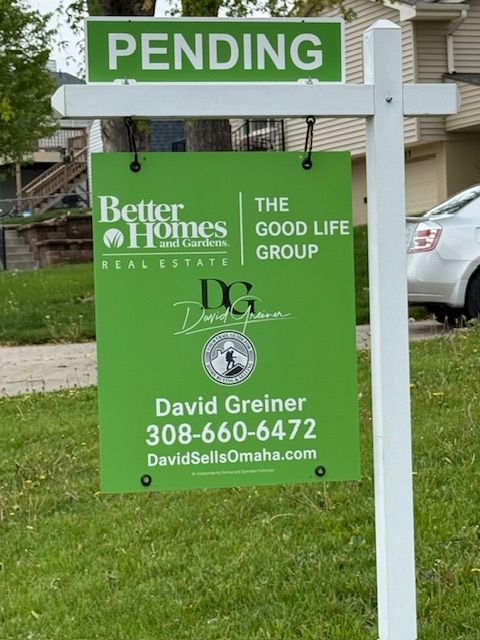
A green 'PENDING' yard sign for Better Homes and Gardens Real Estate - The Good Life Group, signifying a successful contract in an Omaha residential neighborhood.

What is a Closing Disclosure and when do I get it?

A Closing Disclosure (CD) is a five-page document provided by your lender that outlines the final terms of your loan and your exact closing costs. By law, you must receive this document at least three business days before you sign your final paperwork. This “three-day rule” gives you time to compare the final numbers against your original Loan Estimate.

If there are significant changes to your interest rate or loan product, the three-day clock might even restart. Patience is key during this window.

Can I post about my new home on social media before closing?

While it is tempting to share your excitement with friends and family, you should wait until after the keys are in your hand to post on social media. Deals can and do fall apart at the last minute for dozens of reasons, and having to “un-announce” a home purchase is a public heartache you don’t need.

Discretion is a hallmark of my practice. Whether I’m helping a family with an estate settlement or a first-time buyer in La Vista, I prioritize your privacy until the deal is officially done.

What actually happens during the closing appointment?

During the closing appointment, which usually takes 60 to 90 minutes, you will sign a significant stack of legal and financial documents at a title company. You will provide your photo ID, confirm the loan terms, and sign the deed of trust and promissory note. Once the lender reviews the signed scan-backs and funds the loan, the deal is officially “closed.”

I will be there with you. My role is to be that steady presence, making sure you understand what you are signing and keeping the atmosphere calm.

A professional title company office in Omaha where a happy couple is signing documents, with soft natural light and a sense of relief and accomplishment.

Why am I feeling so anxious about closing day?

It is completely normal to feel a surge of anxiety, nervousness, or even “buyer’s remorse” as closing day approaches. This is likely the largest financial commitment of your life, and the “weight” of the transition is finally sinking in. When those feelings hit, call me: I’ve guided hundreds of families through these emotional peaks.

My background in the funeral industry means I am comfortable with “heavy” emotions. I don’t run from the stress; I help you walk through it with clarity and professionalism.

When do I finally get the keys to my new Omaha home?

In Nebraska, you typically receive the keys at the closing table or immediately after the lender “funds” the loan and the deed is recorded. Unless your contract has a specific “possession” agreement that allows the seller to stay longer, you are officially a homeowner the moment the title company gives you the green light.

You’ve navigated the inspections, the paperwork, and the nerves. Now, the home is yours.

Preparing for Your Move

The closing day is the finish line of a very long race. If you are feeling overwhelmed by the process, you aren’t alone. Having a guide who focuses on the person, not just the transaction, makes all the difference.

Download my Omaha Family Transition Home Sale Checklist to help stay organized during this busy season.

Curious what your home is worth? Check your value here.

If you are ready to start your journey in South Omaha, Millard, or anywhere in the metro, I am here to provide the thoughtful guidance you deserve.

David Greiner, REALTOR®/Auctioneer
The Good Life Group

Buying Guide • July 14, 2026

10 Things First-Time Home Buyers Do That Can Kill Their Deal (And How to Avoid Them)

10 Things First-Time Home Buyers Do That Can Kill Their Deal (And How to Avoid Them)

David Greiner, REALTOR®, providing compassionate guidance to a first-time home buying couple in Omaha.

Buying your first home in Omaha is one of the most significant transitions you will ever navigate.

It is a season filled with excitement, but also intense emotional weight and financial complexity.

Whether you are looking in Millard, West Omaha, or the growing neighborhoods of Papillion and La Vista, the process requires a steady hand to ensure a smooth path to the closing table.

My name is David Greiner, and before I became a REALTOR®, I spent 40 years in the funeral service industry.

That background taught me how to remain calm and focused during life’s most stressful moments.

In real estate, I bring that same sense of clarity and professionalism to your journey, serving as a “trail guide” through the peaks and valleys of the market.

I often tell my clients that the period between having an offer accepted and getting the keys is like a marathon.

The finish line is in sight, but one wrong move can trip you up.

Based on my experience helping families across Sarpy County and the Omaha metro, here are the 10 things you should absolutely NOT do during your home purchase.

Why is changing jobs during a home purchase risky?

Changing your job or quitting during a home purchase can disqualify your mortgage because lenders require a stable, verifiable income history to finalize your loan. Even a promotion with a pay raise can trigger a new round of verification that delays your closing or changes your debt-to-income ratio calculations.

When you apply for a mortgage, the lender is betting on your ability to pay back the loan based on your current financial status.

If that status changes, even for a “better” job, the underwriter has to re-evaluate everything.

If you are considering a career move, wait until after the deed is recorded and you have the keys in your hand.

> “A real estate transaction is a delicate balance of finances and legalities. My job is to ensure that balance isn’t disrupted by well-intentioned life changes.” , David Greiner

Can social media posts really affect my home closing?

Yes, social media posts can affect your home closing if they reveal information about your finances, employment, or intentions that contradict your loan application or contract. Additionally, posting photos of the home before you own it can alert the seller to your emotional attachment, potentially weakening your position during inspection negotiations.

It is natural to want to share your excitement with friends and family in Bellevue or Elkhorn.

However, silence is your best friend until the transaction is legally complete.

Privacy protects your leverage and ensures that no unexpected parties: like a lender doing a final check: stumble upon information that could cause a second look at your file.

Why should I avoid talking to the sellers directly?

You should avoid talking to sellers directly to prevent accidental disclosures that could damage your negotiating power or create legal liabilities. All communication should go through your REALTOR® to ensure professional boundaries are maintained and that all agreements are properly documented in writing to protect your interests and the contract.

Real estate agents act as a necessary buffer.

Direct conversations can lead to misunderstandings or “handshake deals” that aren’t legally binding.

I’ve seen buyers accidentally mention they are “willing to pay more if needed,” which immediately hurts their position during repairs or appraisal gaps.

What should I do if a family member gives me money for a down payment?

If a family member gives you money for a down payment, you must document it as a “gift” using a formal gift letter provided by your lender. You cannot simply deposit the cash; the lender needs a paper trail showing the funds came from a legitimate source and are not a loan.

Untraceable cash is a major red flag for mortgage underwriters.

They are required by law to verify the source of all large deposits.

If you’re lucky enough to have help from family, let me and your lender know immediately so we can guide you through the proper paperwork.

Why is buying a new car or furniture a bad idea before closing?

Buying a new car or large furniture before closing is a bad idea because it increases your debt-to-income ratio and can lower your credit score. Lenders perform a final credit check just days before closing, and any new debt can disqualify you from the mortgage you were originally approved for.

I know you want that new sectional for your living room in South Omaha, or a reliable SUV for the Nebraska winters.

Wait.

Any new monthly payment: or even a large credit card charge: can tip the scales and result in a “denied” status at the eleventh hour.

How does calling the listing agent directly hurt me?

Calling the listing agent directly hurts you because that agent’s primary legal and fiduciary duty is to the seller, not you. They are hired to get the seller the highest price and best terms, whereas having your own REALTOR® ensures you have a dedicated advocate looking out for your interests.

When you see a For Sale sign in Millard, your first instinct might be to call the number on the sign.

Instead, call me.

I can get you all the same information while ensuring you have someone in your corner who is focused solely on your protection and goals.

Is taking advice from friends or family a mistake?

Taking advice from friends or family can be a mistake if they haven’t bought or sold a home recently, as real estate laws and lending requirements change constantly. While well-meaning, outdated advice can lead to unrealistic expectations or costly errors during the fast-paced negotiations common in the Omaha market.

The market in 2026 is vastly different from the market five or ten years ago.

Rules regarding earnest money, inspections, and appraisal contingencies are nuanced.

Trust the professionals who are in the trenches of the Sarpy County market every single day.

Should I wait to see every home on the market before making an offer?

Waiting to see every home on the market is often a mistake because the best properties in Omaha typically sell within days. In a competitive market, hesitation leads to missed opportunities; it is better to act decisively on a home that meets your core needs rather than waiting for a “perfect” home.

The “perfect” home is often a myth, but the “right” home is very real.

If a house in Papillion checks 85% of your boxes and fits your budget, someone else will likely buy it while you are looking for that last 15%.

Decisiveness is the hallmark of a successful first-time buyer.

Why is honesty with my REALTOR® so important?

Honesty with your REALTOR® is critical because I cannot protect you from what I don’t know. Information about child support, alimony, tax liens, or wage garnishments will eventually surface during the lender’s title and background searches, and knowing these details early allows us to address them before they kill the deal.

Think of me as your transition guide.

My 40 years in the funeral industry taught me that the truth, however difficult, is the only way to find a path forward.

I am here to help, not to judge, but I need the full picture to navigate the complexities of your sale.

What happens if I make a large cash deposit?

If you make a large cash deposit, your lender will require a detailed explanation and documentation of where the money came from to comply with anti-money laundering regulations. If the source cannot be verified, the lender may be unable to use those funds toward your closing costs or down payment.

Lenders prefer “seasoned” funds: money that has been in your account for at least 60 days.

If you sell a vehicle or receive a cash windfall, keep every receipt and bill of sale.

Without a paper trail, that money might as well not exist in the eyes of a mortgage underwriter.


Navigating the Emotional Side of Buying

Purchasing a home is more than a financial transaction; it is a life-altering event.

It is normal to feel anxious, frustrated by paperwork, or overwhelmed by the speed of the Omaha market.

I focus on clear communication and patience to reduce that stress.

If you are ready to start your journey, the best first step is preparation.

Download my Omaha Family Transition Home Sale Checklist to see exactly what steps you need to take to stay organized.

Curious what your home is worth? (Even if you’re a buyer, knowing the market value of homes in your target area is a great way to stay informed.)

Buying a home should be a milestone you look back on with pride, not regret.

By avoiding these ten common pitfalls and working with an experienced guide, you can move forward with confidence and clarity.

A "SOLD" sign in front of a home sold by David Greiner, REALTOR®.