

 Facebook
 X
X
 Pinterest
 Copy Link
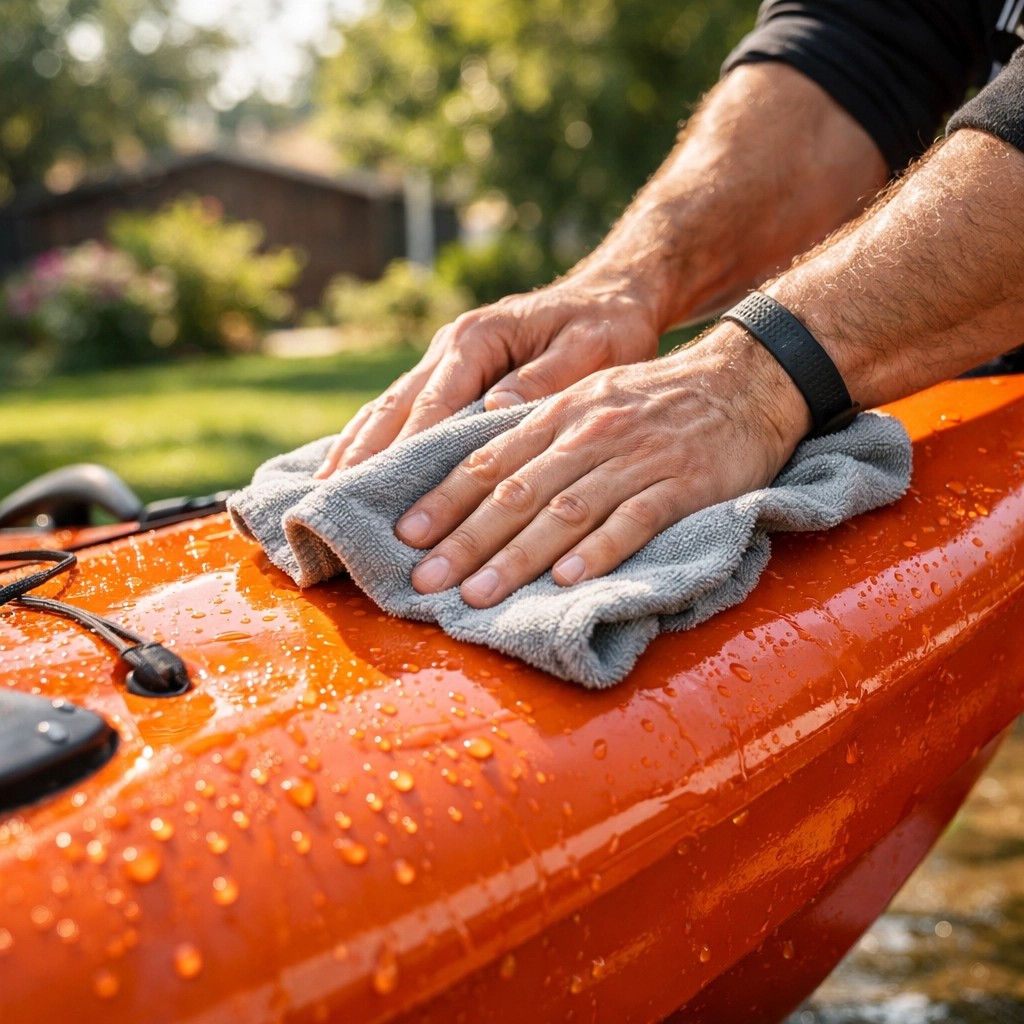
Ready for the Good Life Outdoors: Getting Your Kayak Water-Ready for an Omaha Summer
![[HERO] Ready for the Good Life Outdoors: Getting Your Kayak Water-Ready for an Omaha Summer](https://cdn.marblism.com/5p2jC-J6yC7.webp)
Maintaining a kayak is not complicated, but ignoring the basics is how a relaxing day at Lake Zorinsky turns into a dumb, preventable problem. This is the second installment in our outdoor lifestyle series, and the point is simple: a little prep saves you hassle, money, and risk once Omaha summer shows up.
A well-prepared kayak means more time paddling and less time fighting leaks, broken straps, or bad decisions. Whether you are a seasoned paddler or a first-time homebuyer exploring what life near Zorinsky, Standing Bear, Flanagan, or the Elkhorn actually looks like, this guide keeps it practical and beginner-friendly.
David Greiner, REALTOR®/Auctioneer with Better Homes & Gardens Real Estate | The Good Life Group, understands that the Good Life is not just about square footage. It is about how you live, where you spend your time, and having a steady hand when life gets stressful. With a 40-year funeral service background, David brings calm, clarity, and compassion to major transitions that do not come with easy playbooks.
What should you check first before putting your kayak in the water?
Start with the hull, because if the body of the kayak is compromised, nothing else matters. Look for cracks, deep gouges, soft spots, and warping. If you skip this step, you risk leaks, poor tracking, and a frustrating day on the water at Zorinsky, Standing Bear, Flanagan, or the Elkhorn.
The hull takes the abuse, so inspect it before you mess with accessories.
Clean the kayak with mild soap and water first. Dirt hides damage.
Then check for:
- Spider cracks
- Deep scrapes or gouges
- Soft spots in the plastic
- Warping along the bottom
- Loose seams
If you find minor surface wear, you may be fine.
If you find structural cracks, do not talk yourself into “one more trip.” Fix it or replace it.
How do you know if sun damage or warping is a real problem?
UV damage makes plastic brittle, and warping changes how the kayak handles on the water. If the surface looks chalky, badly faded, or dented inward, pay attention. In Omaha summers, poor storage in a hot yard or garage speeds up damage and leads to more cracks, worse tracking, and shorter kayak life.
Two common issues show up fast:
- UV damage: Faded color, chalky residue, brittle plastic
- Oil canning: A dented or flattened hull from bad storage or over-tight straps
“Oil canning” just means the hull has warped.
Sometimes setting the kayak in the sun for a while helps the plastic recover. Sometimes it does not.
If the hull pops back and stays solid, great.
If it stays misshapen, expect worse performance on the water.
What parts do first-time kayakers usually forget to inspect?
Most beginners focus on the big visible stuff and miss the weak points: scupper holes, seams, and drain areas. Those spots fail more often than people think. If you own a sit-on-top or sit-in kayak, checking those details now can save you from a wet, miserable surprise halfway across the lake.
If you have a sit-on-top kayak, inspect the scupper holes.
These are the drainage openings running through the boat, and the plastic is often thinner there.
If you have a sit-in kayak, inspect the seam where the top deck meets the hull.
Watch for:
- Hairline stress cracks
- Separation at seams
- Leaks around drain plugs
- Weak plastic around molded openings
Small issues become big issues once weight, heat, and water pressure get involved.

What safety gear actually matters for a casual Omaha paddle?
No BS: your PFD matters most, and it needs to be in good shape and fit correctly. After that, carry a whistle, basic water-removal gear, a light if you may be out late, and a dry bag. Casual trip or not, basic safety gear is what separates prepared from reckless.
A PFD is a Personal Flotation Device, which is the life jacket you should already have on hand.
Before your first 2026 launch, check every life jacket for:
- Mold or mildew
- Broken buckles
- Stuck zippers
- Compressed or damaged foam
- Poor fit
Nebraska law requires a wearable U.S. Coast Guard-approved life jacket for each person on board.
For children under 13, it must be worn while the vessel is under way.
That is not optional.
How do you tell if your life jacket is still safe to use?
If the fabric is torn, the foam feels broken down, or the hardware does not work, the PFD is done. Damp garages and hot attics are hard on safety gear. If you would not trust it for your kid, spouse, or friend at Standing Bear, do not trust it for yourself either.
A life jacket is not “probably fine.”
It is either functional or it is not.
Check:
- Fabric for tears
- Buckles for cracks
- Zippers for smooth operation
- Foam for stiffness, bunching, or breakdown
- Fit while worn and adjusted
Common beginner mistake: using an old spare PFD that has been baking in storage for years.
If it looks questionable, replace it.
What extra gear should stay in your kayak every trip?
Every trip should include a whistle, dry bag, and whatever you need to manage water in the boat. If you may be out near sunset, add a white light. These are small items, but they solve big problems fast when weather changes or something goes sideways on the water.
Keep this basic safety kit packed:
- Whistle: Attach it to your PFD
- Bilge pump or sponge: Critical for sit-in kayaks
- Dry bag: Protects your phone, keys, and emergency contacts
- 360-degree white light: Needed if you are out near sunset
- Water and sunscreen: Not fancy, just smart
If-then logic matters here.
If you capsize, then water removal matters.
If you lose daylight, then visibility matters.
If you get stranded, then communication matters.
What should you inspect on paddles, straps, and transport gear?
Your paddle is your engine, and your roof-rack setup is what gets the kayak there in one piece. Check blades for cracks, ferrules for corrosion, and straps for fraying. If transport gear fails on West Dodge or near Elkhorn, your day is over before it starts.
Look over your paddle first.
The ferrule is the connection point where two paddle sections join.
Make sure it is clean and locks properly.
Then inspect:
- Paddle blades for cracks or chips
- Ferrule for sand, corrosion, or sticking
- Spray skirt elastic for dry rot
- Nylon straps for fraying
- Cam buckles for rust or bending
If a strap looks questionable, replace it.
Cheap straps are a lot cheaper than a runaway kayak.

Where should beginners kayak in Omaha without making it harder than it needs to be?
Start with calmer water. Lake Zorinsky, Standing Bear Lake, and Flanagan Lake are better beginner options than jumping straight into moving water on the Elkhorn. If you are new, reduce variables first. Less current, fewer surprises, and easier access make learning a whole lot less stressful.
Here is the straight answer on local spots:
- Lake Zorinsky: Great for beginners in West Omaha because the no-wake setup keeps things calmer
- Standing Bear Lake: Usually quieter and great for easy practice
- Flanagan Lake: Good facilities and solid space to test gear
- Elkhorn River: Fun, but better once you understand weather, flow, and shuttle logistics
If you are just starting, do not confuse “adventurous” with “smart.”
Learn on easier water first.
What do first-time kayakers in Omaha need to understand before buying gear?
You do not need the most expensive boat. You need the right boat for how and where you will use it. Beginners should understand basic kayak terms, choose stability over ego, and avoid common mistakes like ignoring wind, overloading the boat, or picking gear based on looks.
A few basics first:
- Bow: Front of the kayak
- Stern: Back of the kayak
- Hull: Bottom of the kayak
- Tracking: How well the kayak holds a straight line
Beginner-friendly guidance:
- Sit-on-top kayaks are usually easier to enter and more stable
- Sit-in kayaks offer more protection and can be better for longer paddles
Common pitfalls to avoid:
- Ignoring the wind forecast
- Launching too far from your comfort level
- Skipping a fit check on your PFD
- Assuming calm water will stay calm
Smart rule: paddle into the wind first so the return trip is easier.
If you are currently looking for a home that accommodates your love for the outdoors, you may find our Omaha first-time homebuyer roadmap helpful in navigating the local market.
What does kayaking have to do with real estate transitions in Omaha?
More than people think. Lifestyle is a real estate decision, not just a weekend bonus. People buy homes based on how they actually live: near parks, lakes, trails, and easier routines. And when life gets stressful, having a steady hand matters just as much as market knowledge.
At the heart of every outdoor season is transition.
We move from winter to summer, from busy weeks to slow weekends, and sometimes from one major life stage to another.
That is where David Greiner stands out.
With a 40-year funeral service background, David is a steady hand for emotional and stressful transitions. He helps people think clearly when life is messy, whether that means PCSing to Offutt AFB, handling a divorce-related move, or managing the settlement of an estate.
Real estate is rarely just paperwork.
It is often tied to grief, pressure, uncertainty, or a major family decision.
That is why calm guidance matters.
What should you do if your home no longer fits your outdoor lifestyle?
If your current setup makes it harder to enjoy Omaha life, it may be time to make a move. Maybe you need garage space, easier lake access, or a simpler layout. Start with a plan, not panic. Good decisions come from clarity, not rushed frustration.
Preparing for summer in Omaha is a reminder of why people love living here.
From Zorinsky and Standing Bear to Flanagan and the Elkhorn, access to the outdoors is part of the lifestyle.
If your current home no longer fits, here is the next smart step:
- Download the Omaha Family Transition Home Sale Checklist as your primary starting point
- Use Home Bot as a secondary tool to track your home value and options
- Reach out if you want straightforward guidance without the sales fluff
If you are considering a change, you can also explore our client experience guide. From Papillion to Gretna, we provide compassionate, professional guidance through every real estate transition.
Enjoy the water, stay safe, and we look forward to seeing you out at the lake.
David Greiner, REALTOR®/Auctioneer with Better Homes & Gardens Real Estate | The Good Life Group


